Image Mockup1jpg
Image

Double Width
On
Group
Caption
Act 1 (Art(ist) in context)
Component

The burgeoning advancements in generative artificial intelligence and machine learning have cast a spotlight on the act of creation itself. Beyond the spoken word, images have emerged as potent catalysts for generating novel perspectives, transcending conventional boundaries of past interpretations, and reaffirming the significance of individual visual components. This component delves into the co-creation process of ‘When Images Remain. A Visual Polemic in 8 Acts’ (2023), an artwork that centers on the notion of ‘the space in between.’ In doing so, it challenges the conventional roles of text and images in the context of historical comprehension and future envisioning.
Act 1 (Art(ist) in context)
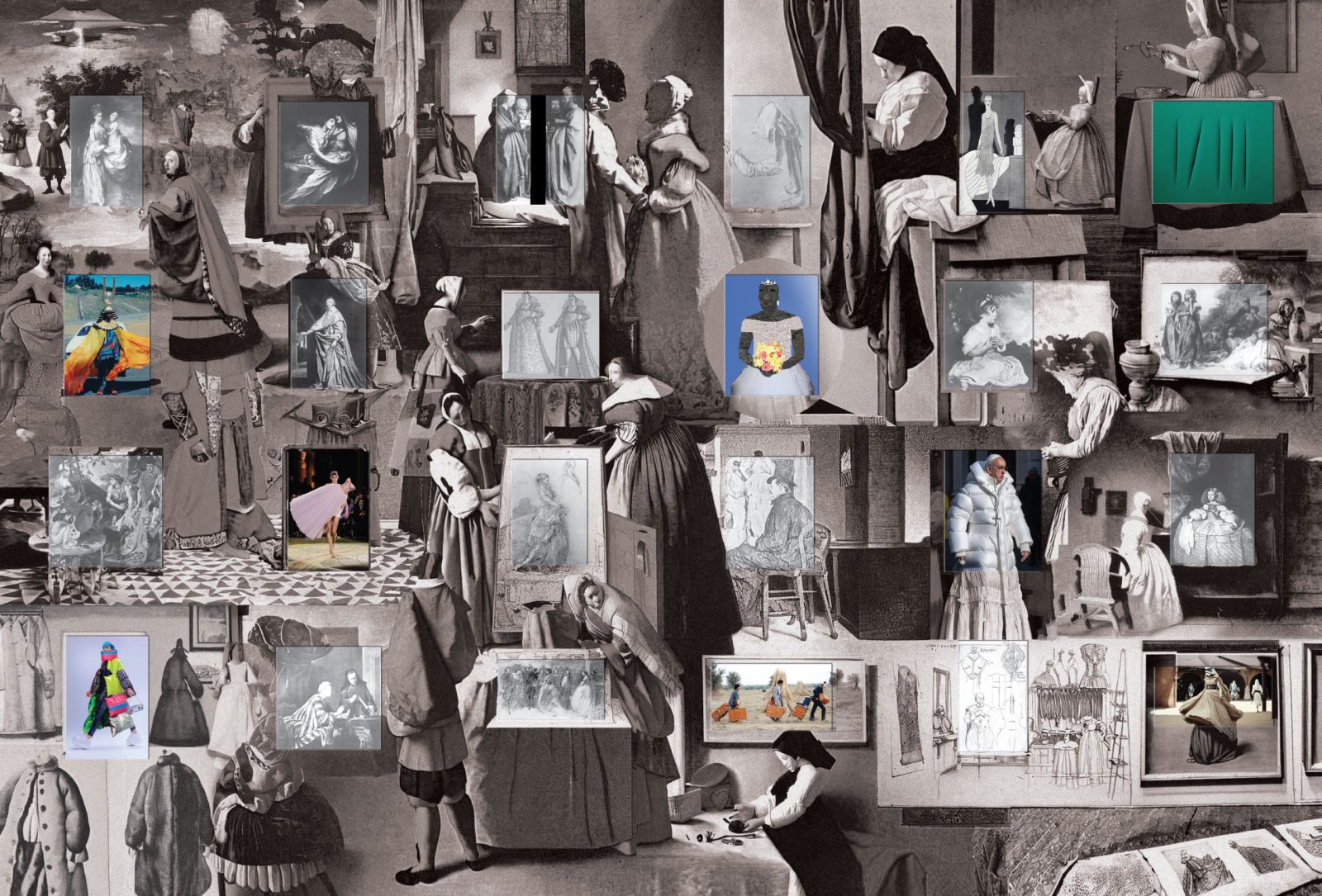
Act 3 (Fashion/Textiles)

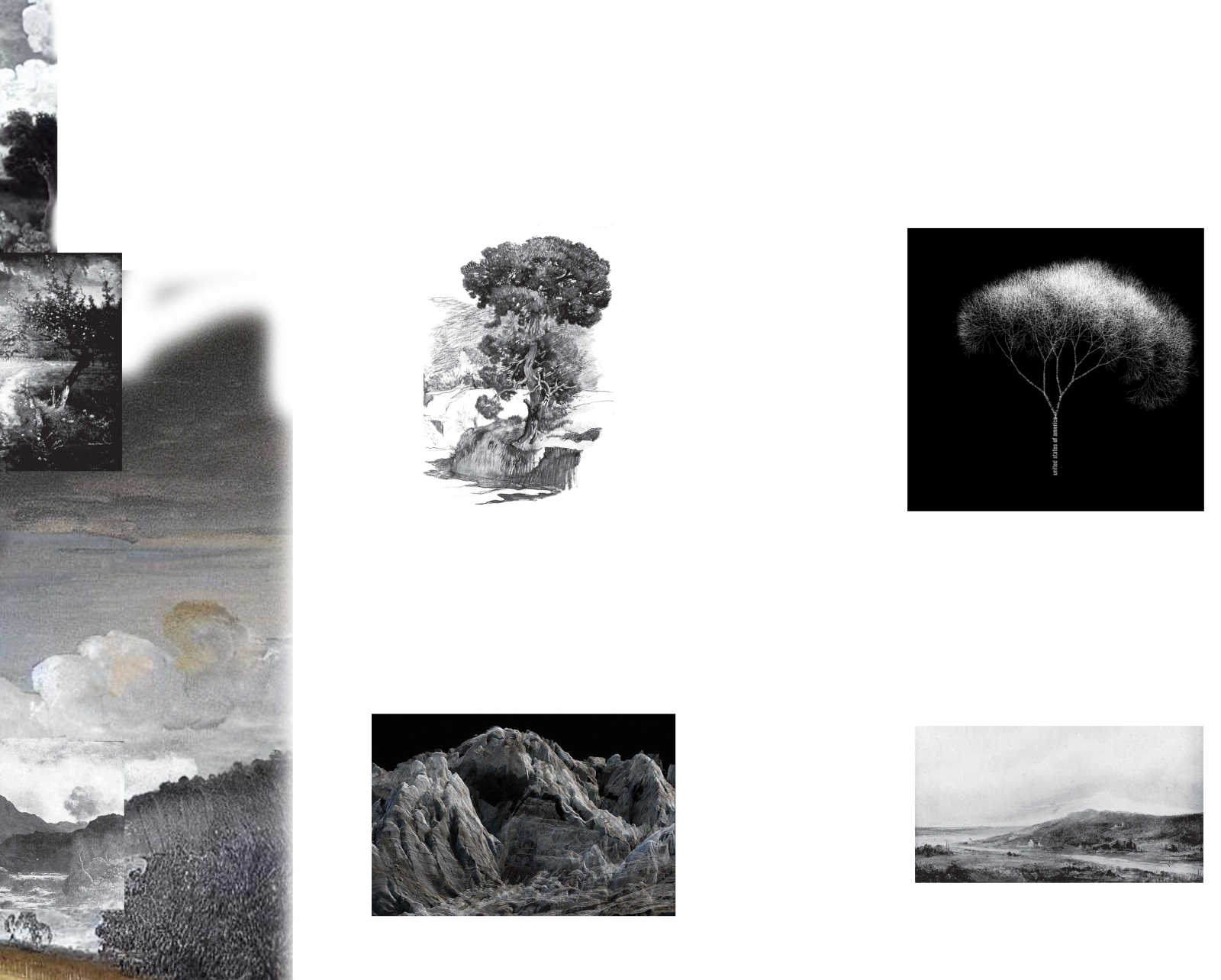
Act 4 (Nature/Landscapes)
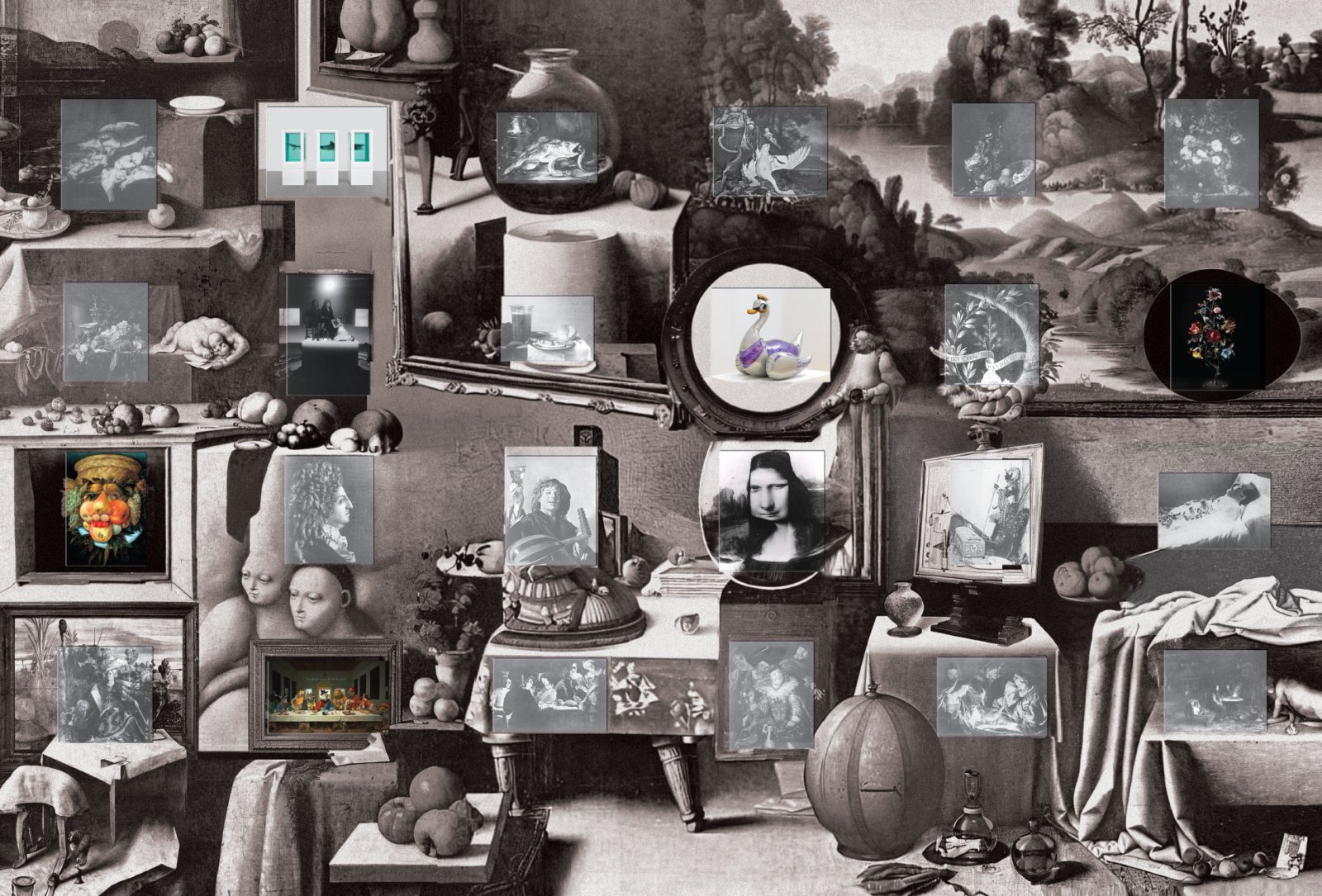
Act 5 (Still lifes/Props)
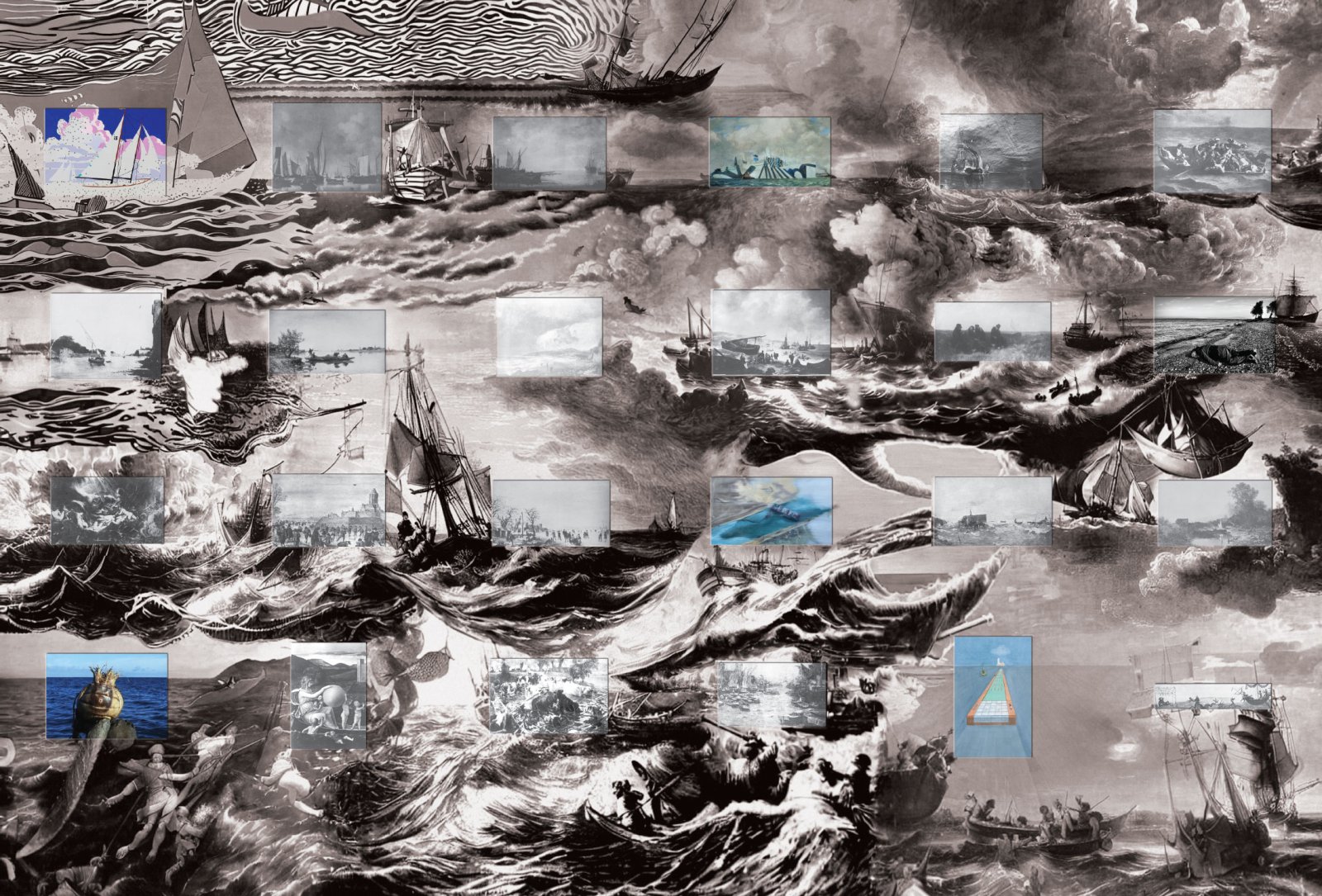
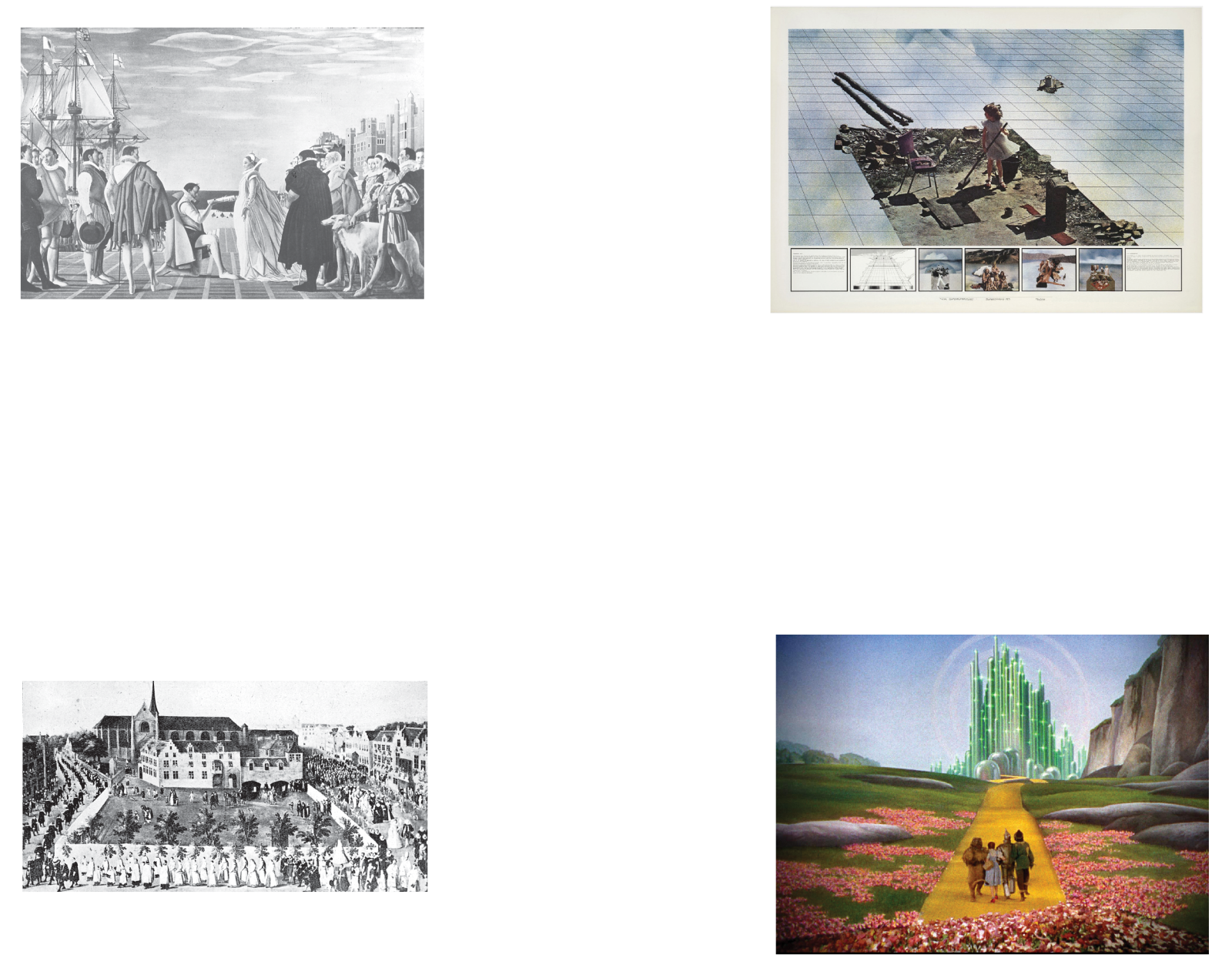
Act 6 (Ships/Water)
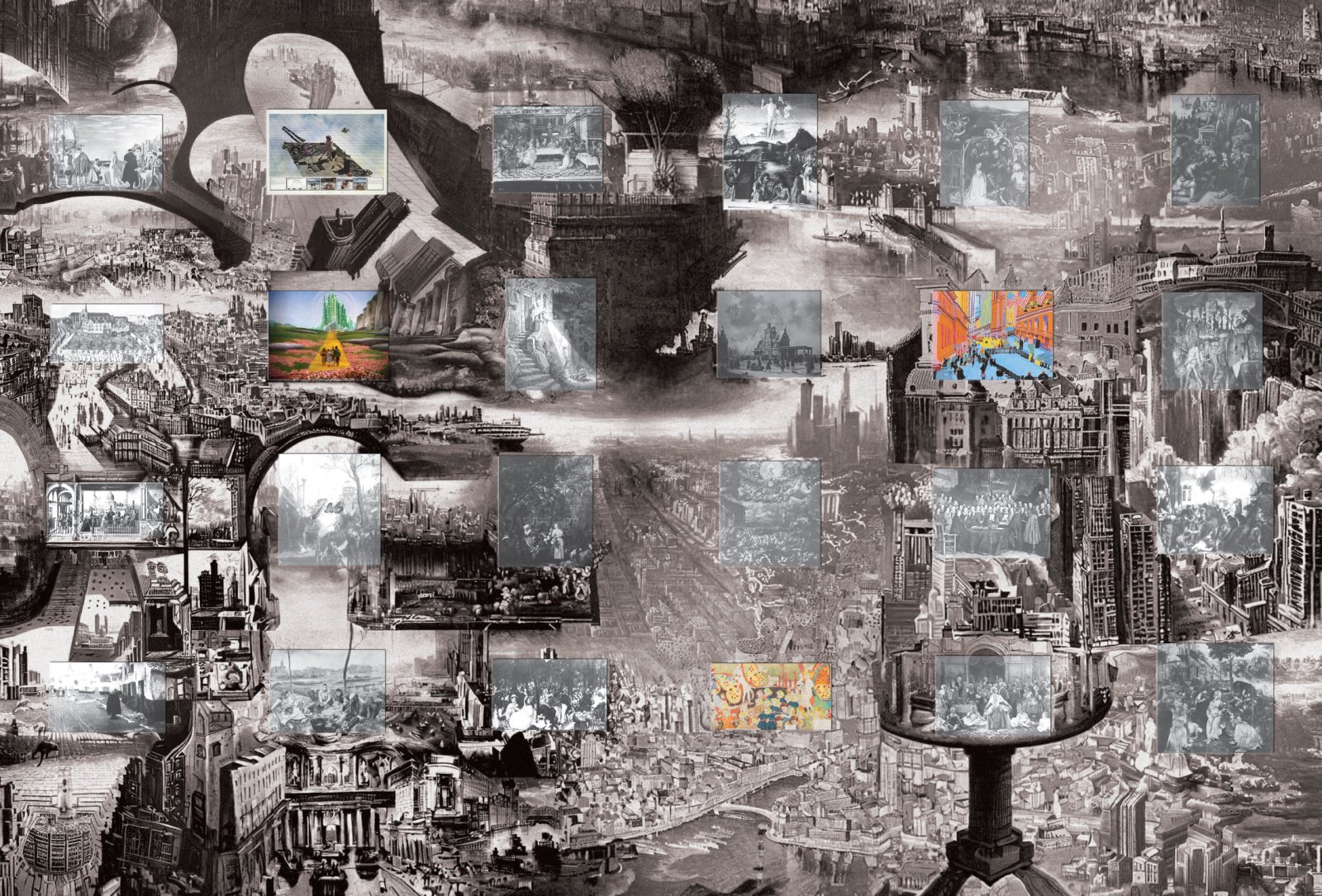
Act 7 (Cities/Citizens)

Act 8 (Frames/Geometry)
Drawing inspiration from artist John Baldessari’s assertion that one should “look between” two things, this study elucidates the coalescence of images and text as a means to explore the uncharted territories that lie in the interstices of visual narratives. Employing a curated selection of decontextualized historical glass lantern slides from the Technical University Delft’s heritage collection, and supplemented with digital images from an art-based learning course at the University’s Faculty of Industrial Design Engineering, a grid of images devoid of explicit context or predetermined intent is forged. Herein, individual images relinquish their prominent positions in favor of collective formation, giving birth to eight distinct scenes that beckon new narratives, grounded in the interplay between sensory stimuli, memory, cognitive construction, and imagination.
The integration of the ‘infinite image’ tool from Runway ML’s ‘AI Magic Tools,’ guided by a non-human creator, extends and intertwines backgrounds, giving rise to novel focal points and uncharted realms within the images. This ‘act’ of transformation generates an ‘in between’ space that overlays the curated grid, catalyzing the emergence of fresh perspectives and unexpected connections, thereby blurring the conventional demarcation between background and foreground. This case study serves as a clarion call for a more profound exploration into the influence of contextual awareness on the interpretation of images. It advocates for further inquiry into the pivotal role of images in education and knowledge dissemination.
By harnessing diverse perspectives and forging interdisciplinary connections, this study seeks to unravel the contemporary and future lessons embedded within these images. It prompts us to reevaluate how we can more effectively harness the intrinsic power of images in facilitating knowledge transfer and nurturing scientific and social competencies, notably communication. These questions extend beyond the confines of the presented case study, offering avenues for probing the multifarious ways in which we continue to navigate the complex landscape of images with or without materials,“finding meaning amid the multitude of signs, symbols, and gestures that structure our lives”.
(ORIGINAL CONCEPT) Reframing the Perception of Art in Education at TU Delft
Knowledge is largely transmitted in school and university through text. Images are used to illustrate or clarify what has been described.
In literature, the use of visual language delivers associative experience to the reader. Historical biographies can capture the imagination without even using images. Whereas text can be fact-checked, the verification of images and imagery is much more challenging.
Interpreting images without (accompanying) text is even more difficult. However, this does not mean that it is better to ignore (largely) undescribed images.
Take TU Delft's collection of glass slides, for example. Marked as heritage, the collection’s historical importance is well established. But for whom and why? And for how long? How reliable/complete is a history based only on images?
The slides that were generally used in education between 1900 and 1950 are a snapshot in a time that continues irrevocably.
From different perspectives/by connecting different perspectives, what can we learn from these images today but also in the future?
How can we (better) exploit the importance of images in knowledge transfer and as a building block for both scientific and social skills?
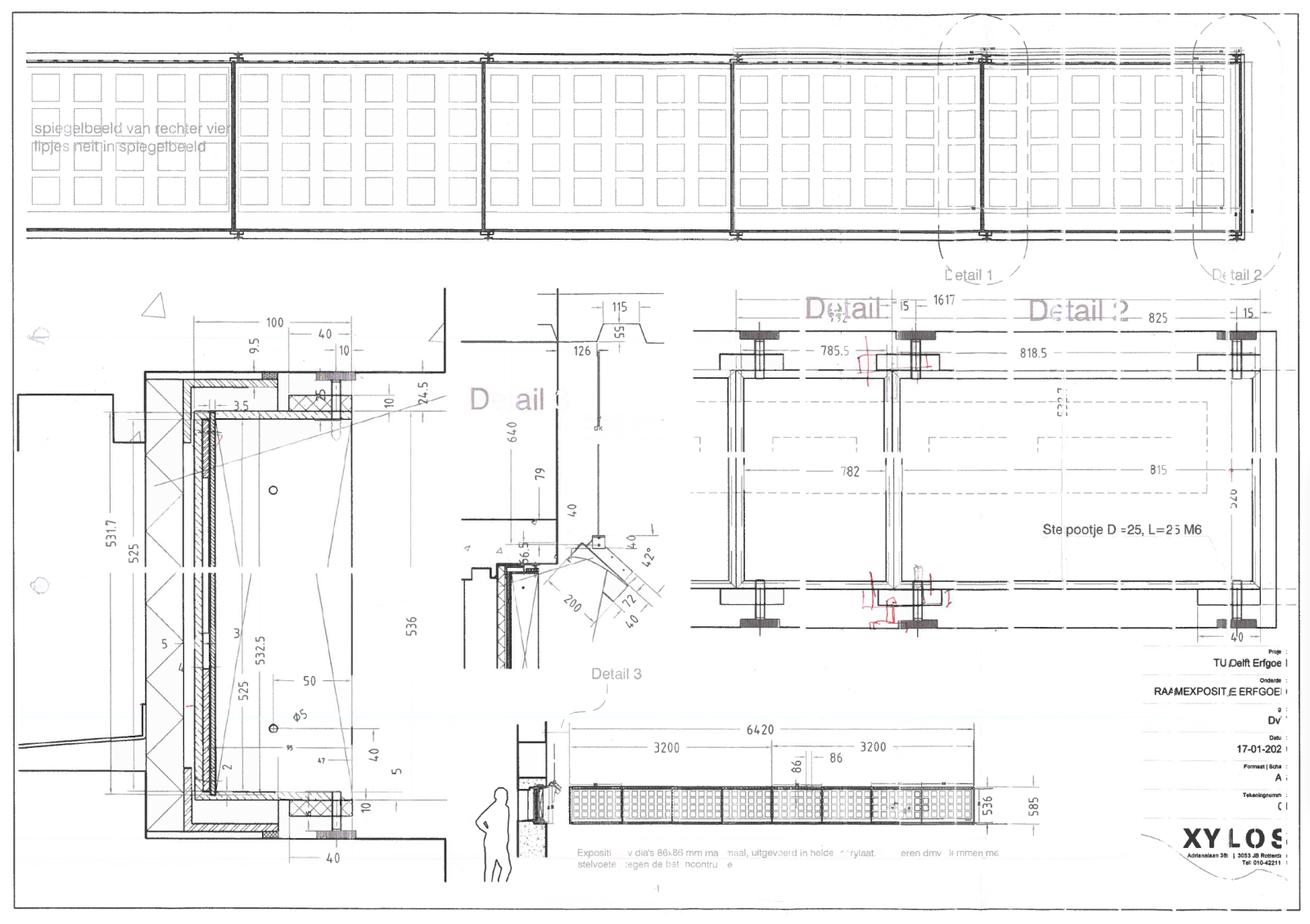
Technical drawing of the pre-existing slide frames (to be placed in the display window of the TU Delft library/heritage collection).

Pre-existing slide framework seen from the back/the inside of the library.
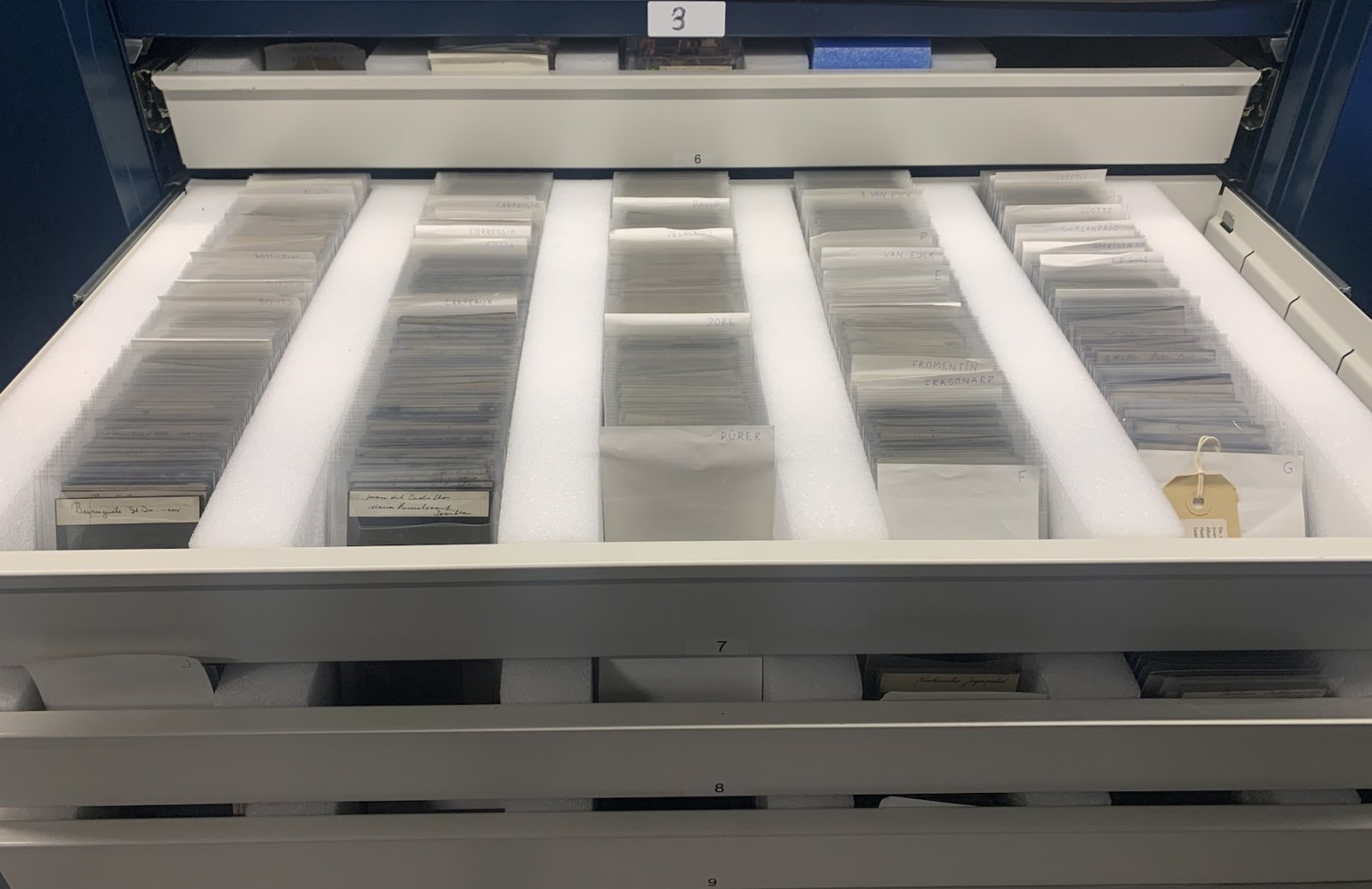
Glass lantern slide collection (TU Delft Library).
[ChatGPT’s interpretation of ‘Act 3’]
The collection seems to be diverse, ranging from traditional sketches to more modern and abstract artworks. This array possibly represents a curated collection or a montage of different artistic styles and periods.
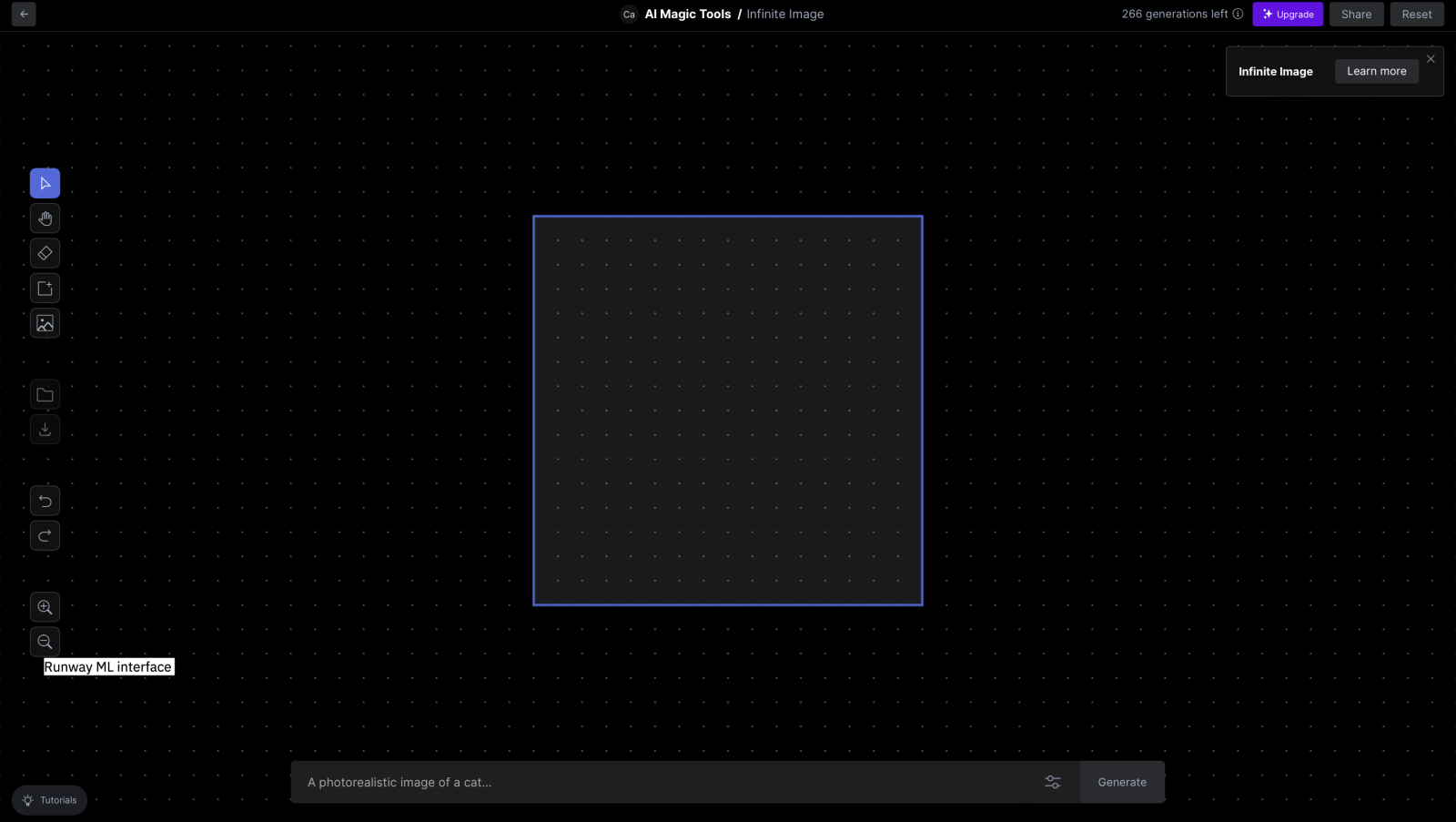
‘Infinite image’ interface from Runway ML’s ‘AI Magic Tools (2023). Prompts influence the image generation inside the blue square.
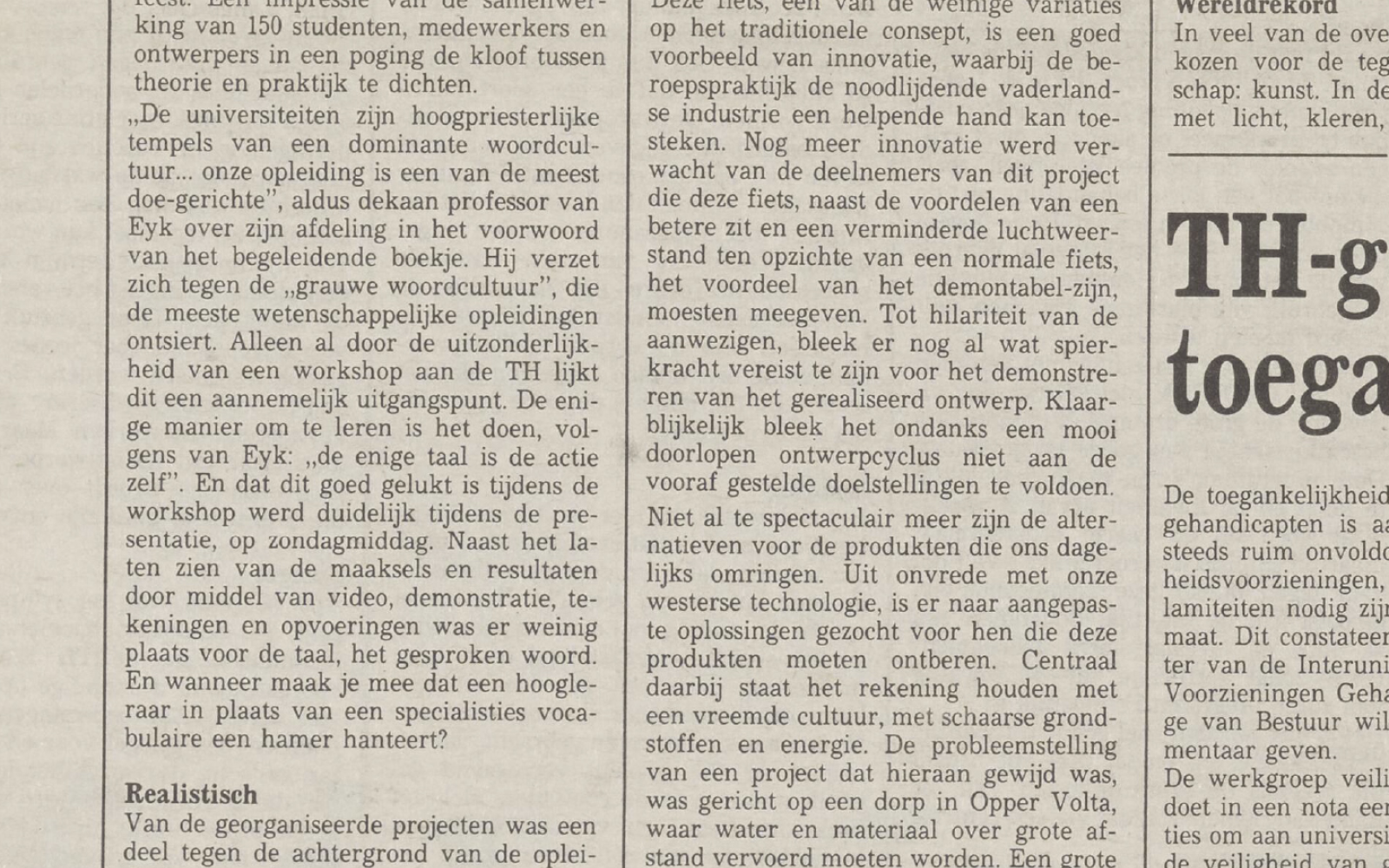
"The universities are high-priestly temples of a dominant word culture... our education is one of the most action-oriented.” (Van Eyk, 1983)
“De taal is gansch het volk, indien onder taal niet enkel spreek- en schrijftaal worden verstaan, maar alle uitdrukkingsmiddelen van een volkskarakter. De schilderkunst is sinds eeuwen de taal der Nederlanden bij uitnemendheid. De schilderkunst is de kunst der individueele passie, zij definieert het individu. Bundelt zich de schildersarbeid van een volk tot een school, dan definieert die school het volk, wiens taal zij spreekt.”
“De taal is gansch het volk” (Luns, 1941)
“The language is the entire nation, provided that by language we understand not only spoken and written words, but all means of expression of a people's character. Painting has for centuries been the language of the Netherlands par excellence. Painting is the art of individual passion; it defines the individual. When the work of painters from a nation comes together into a school, that school defines the nation whose language it speaks.”
In 1931, Huib Luns was appointed professor at Delft University of Technology, where he taught drawing as well as the history of painting and sculpture. It is believed that many of the slides used in this component were originally part of his lectures."

Screenshots of making process.

Curated selection of glass lantern slides for Act 2 from the heritage collection combined with new slides made from course content ‘VCD’ (TU Delft/IDE).
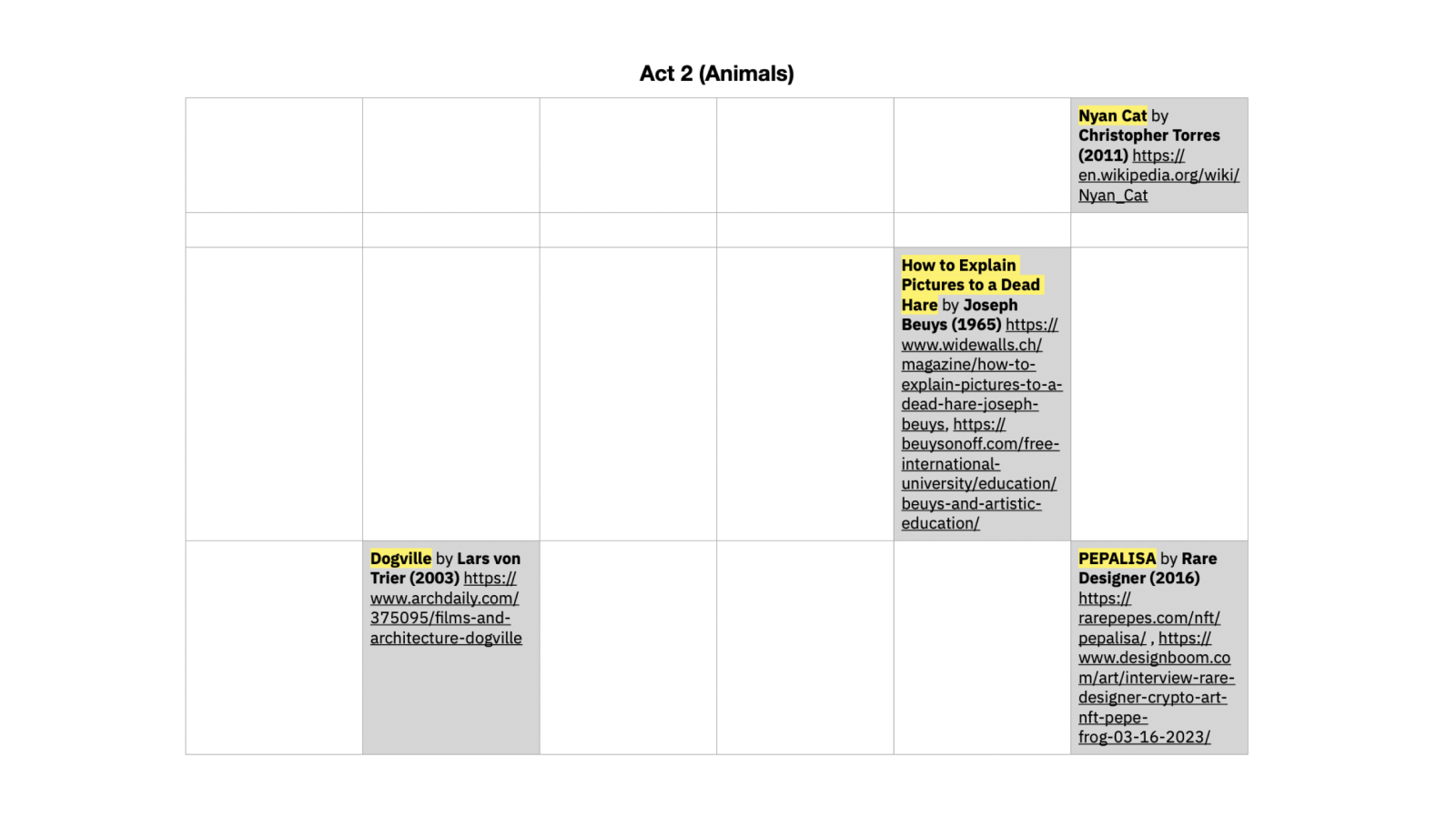
Contemporary image citations used in Act 2.
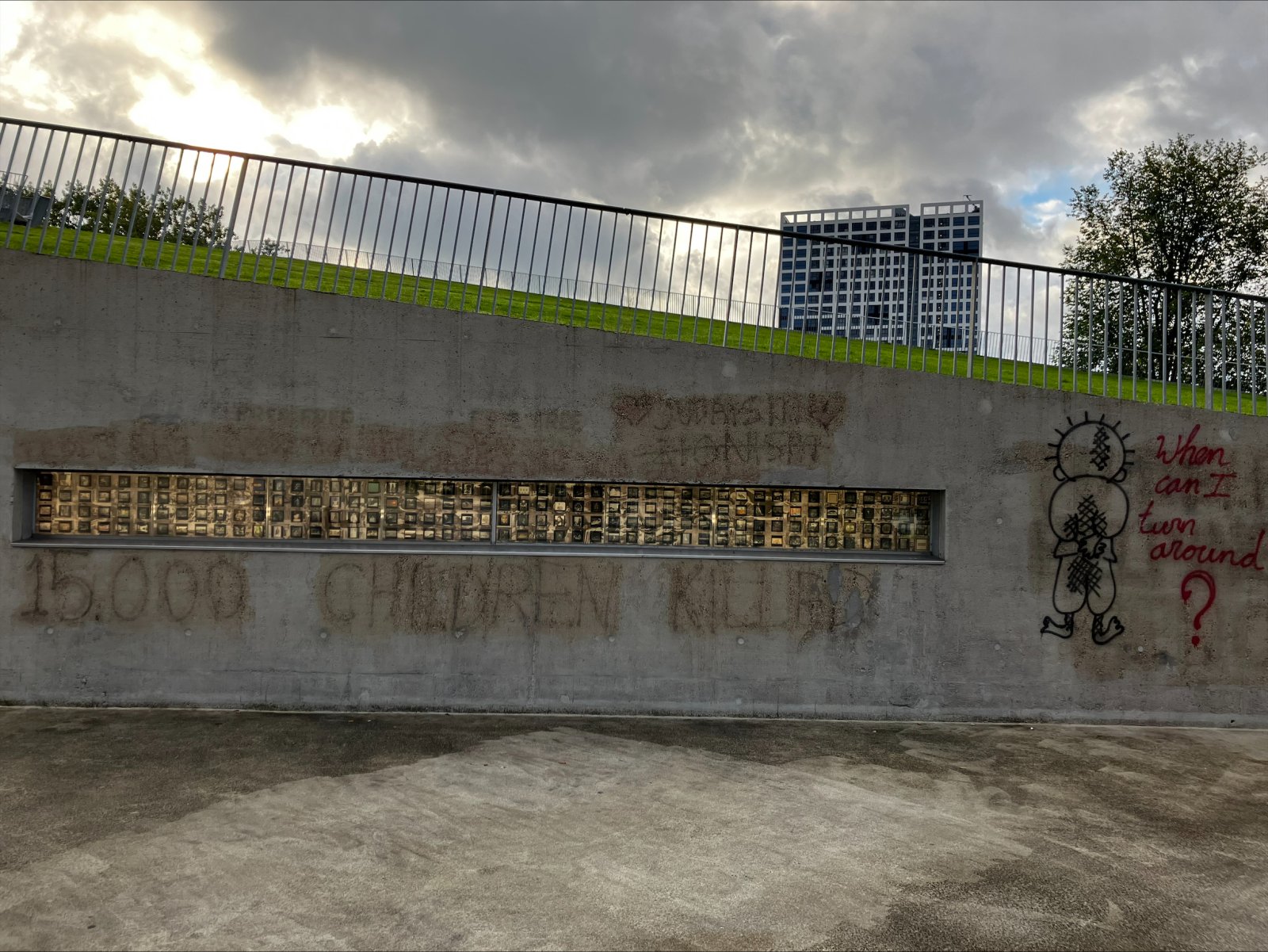
Delft, October 8th, 2024.