File 17manifestosirenakukricpdf
Preview Image
Double Width
Off
Group
Component

nobody is there.no body. no human body. is this to say nothing is there?absence is not being there,but also expecting something to be there or thinking of something that had been there.
there, there.so there is something »there« where we want to place this.there is the stage and if there is no human body on it,so many other things can be, while if there is a human body there, other things mostly shy away.
things don’t shine as bright. a human is too present.there are veins pumping, there is work that has to be done,there is so much to give, such a performance to be delivered!
What is a lamp or a table or a sound or an image compared to all this impressive presence?this is what.
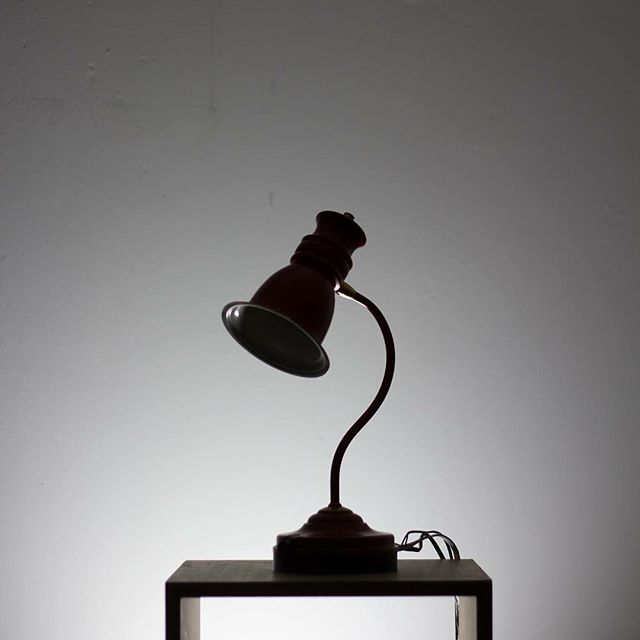
so much had happened on this table.so much can be on it and move on it and fall and break and the table itself might break!and the lamp can turn on and off and even tremble and flicker!
But what they really can do, what they are masters in, is relating with audience members without even trying.they are not preparing the performance. they are the performance.
We see them and think of them how we have experienced them before or perhaps, in a new light, we see something entirely new.maybe a table can dance!they move or light up or give a sound and voilà: they too can be directed!
so much more there is on the stage besides humans.a drop dripping into water. shapes and silhouettes and holes and curtains and floors and walls.an umbrella opening and closing, toothbrushes praying,mechanical pianos playing, chairs vibrating,a tune you have heard before (haven’t you?),a curtain that reminds you of your terrible old school (doesn’t it?),a landscape of colors and flickering projections full of what you wanted to see (didn’t you?).
the line between the familiar and the unfamiliar is in the air.to cross it into the unfamiliar?things have a life! Beckett’s Winnie said in »Happy Days«1.they do and they should have their own space to perform! they should be able to express themselves!an intimacy arises within the relation ofanimate (audience) and inanimate (things).only things allow this intimacywhere the audience is free to imagine, interpret and experience with no human on the stage delivering a performance.
an intimacy arises within the relation ofanimate (audience) and inanimate (things).only things allow this intimacywhere the audience is free to imagine, interpret and experience with no human on the stage delivering a performance.
it is about looking for human through the nonhuman.Looking into a mirror where you might see yourself but you just might find a ghost.
there is nobody telling you what to think, but think you will.the difference is in what is given, and in what is taken away.