Generations

A way of thinking that can be extended, recombinened and explored across different contexts.

Created on
Wed, 04/29/2026 - 15:59
Changed on
Thu, 05/07/2026 - 17:10
DOI
10.26017/tda-699
Categories
More about the Work
https://annalucia.io/index.html
Published
On
Subtitle
Translating a quilt into a generative system
Sticky
Off
Path
generations
Hide
Off

Generations

Text In 2023 I had the honor to work with the Gees Bend Quiltmakers a group of AfricanAmerican women who quilted together in Gees Bend Alabama They are known for their unique quilting style characterized by bold colors and geometric patterns Lacking in ot

Anna Lucia
Submitted by annaluciacodes on Thu, 05/07/2026 - 13:25

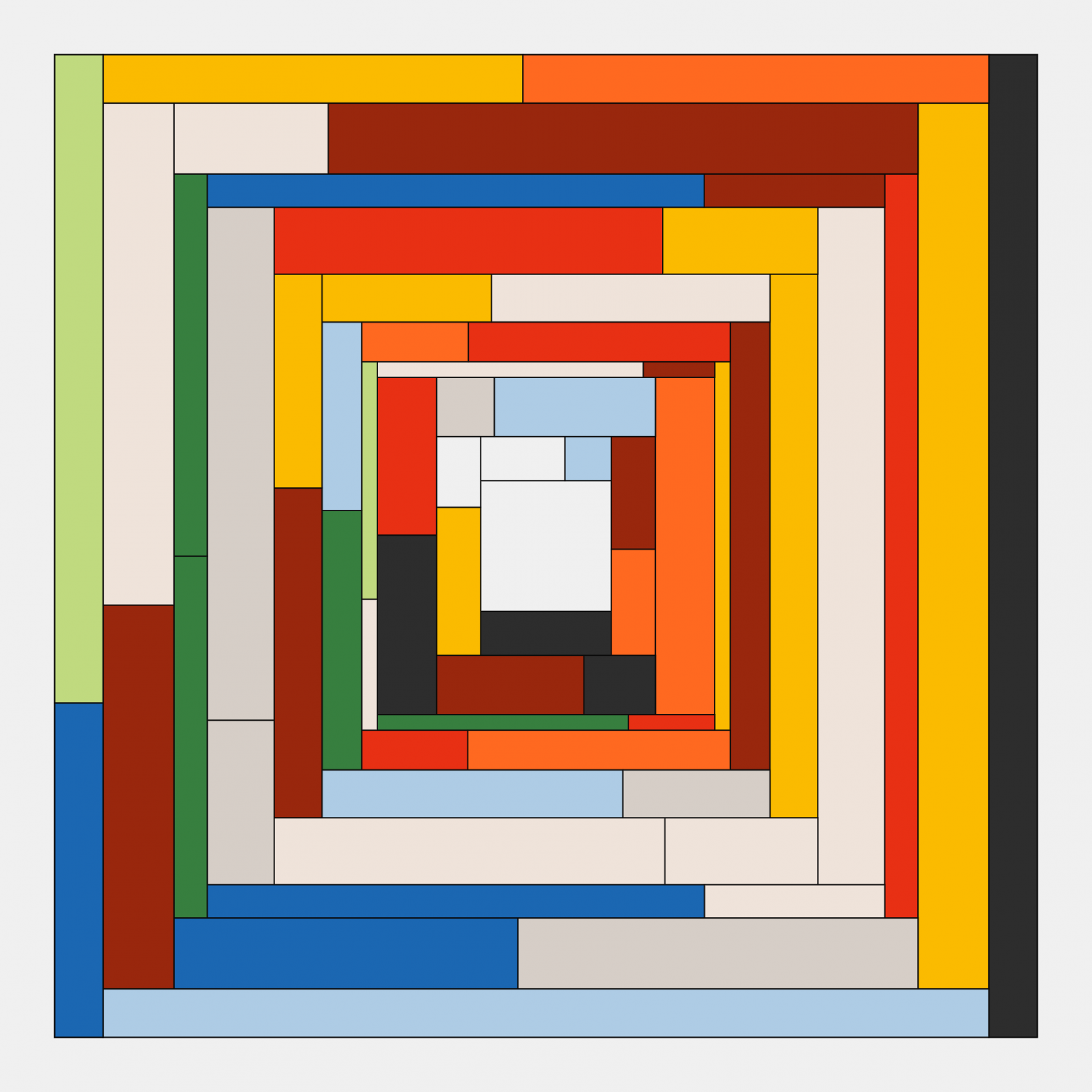
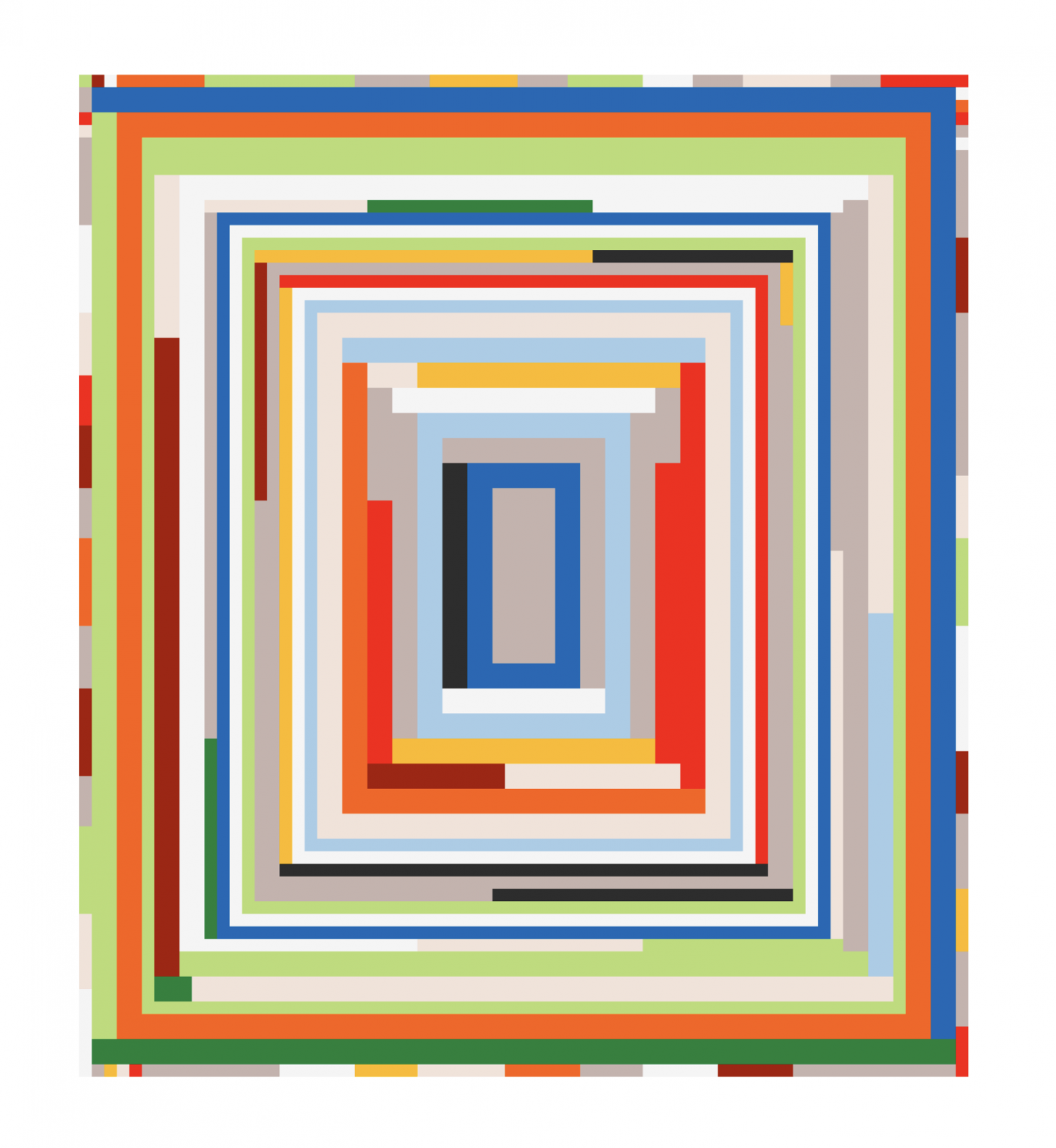
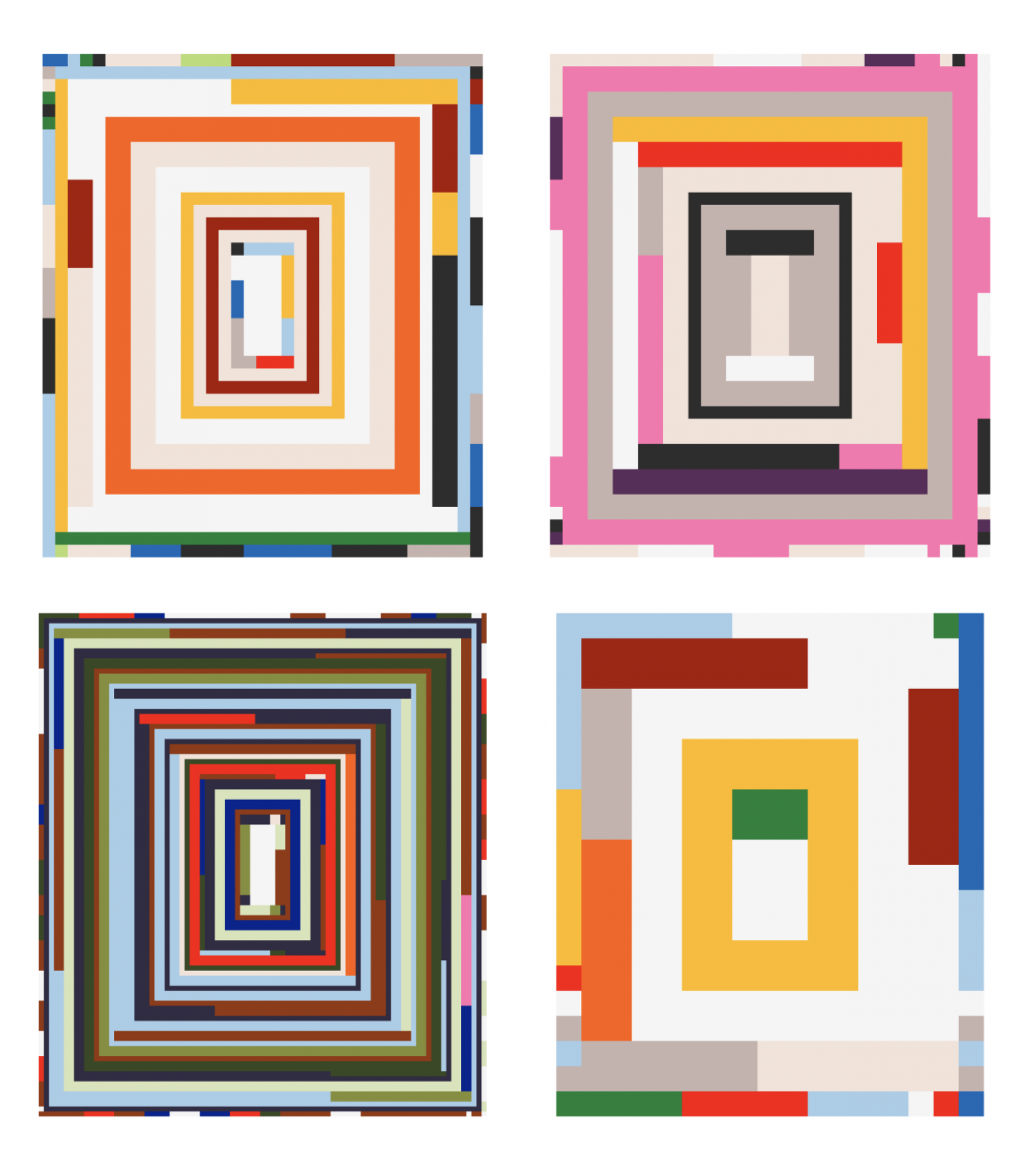
In 2023, I had the honor to work with the Gee's Bend Quiltmakers, a group of African-American women who quilted together in Gee’s Bend, Alabama. They are known for their unique quilting style, characterized by bold colors and geometric patterns. Lacking in other resources, the quilters often used old jeans, cornmeal sacks, and other scrap fabrics, adding a sense of chance and improvisation to the quilts. The collaboration resulted in an algorithm titled “Generations” that generates digital quilts that share key elements with their source, yet are unique and surprising in their own right.

Double Width
Off
Component

Text When starting the translation it is important to keep in mind that the goal is not to produce a rendered copy of the original quilt but to transform the reference quilts into a set of rules that define the pattern In the book The Art of Doing Science

Anna Lucia
Submitted by annaluciacodes on Wed, 04/29/2026 - 16:12

When starting the translation, it is important to keep in mind that the goal is not to produce a rendered copy of the original quilt, but to transform the reference quilts into a set of rules that define the pattern. In the book "The Art of Doing Science and Engineering - Learning to Learn" by Richard W. Hamming he states: 


Double Width
Off
Component

STRUCTURE

Text I consider a generative system to be a set of predetermined rules that include an element of chance that determines the final features of the outcome This method for creating images is often created with computer code however it can also be done with

Anna Lucia
Submitted by annaluciacodes on Fri, 05/01/2026 - 12:04

I consider a generative system to be a set of predetermined rules that include an element of chance that determines the final features of the outcome. This method for creating images is often created with computer code; however, it can also be done with other media, although it might be more tedious.

Thus, the first step in making a generative system from a quilt is determining the rules. For this example, I’ve selected the Housetop quilt by Lucy T. Pettway because the pattern's rules are relatively simple but offer enough room to generate interesting outcomes. It's also one of my favorite Gee's Bend quilts.

Double Width
Off
Component

Text This process is similar to any other generative system and in line with what Frieder Nake calls thinking the image not making it The act of preparing a precise description and creating an output space for imagesIts not the image we are after but we t

Anna Lucia
Submitted by annaluciacodes on Fri, 05/01/2026 - 12:15

This process is similar to any other generative system and in line with what Frieder Nake calls "thinking the image, not making it". The act of preparing a precise description and creating an output space for images.

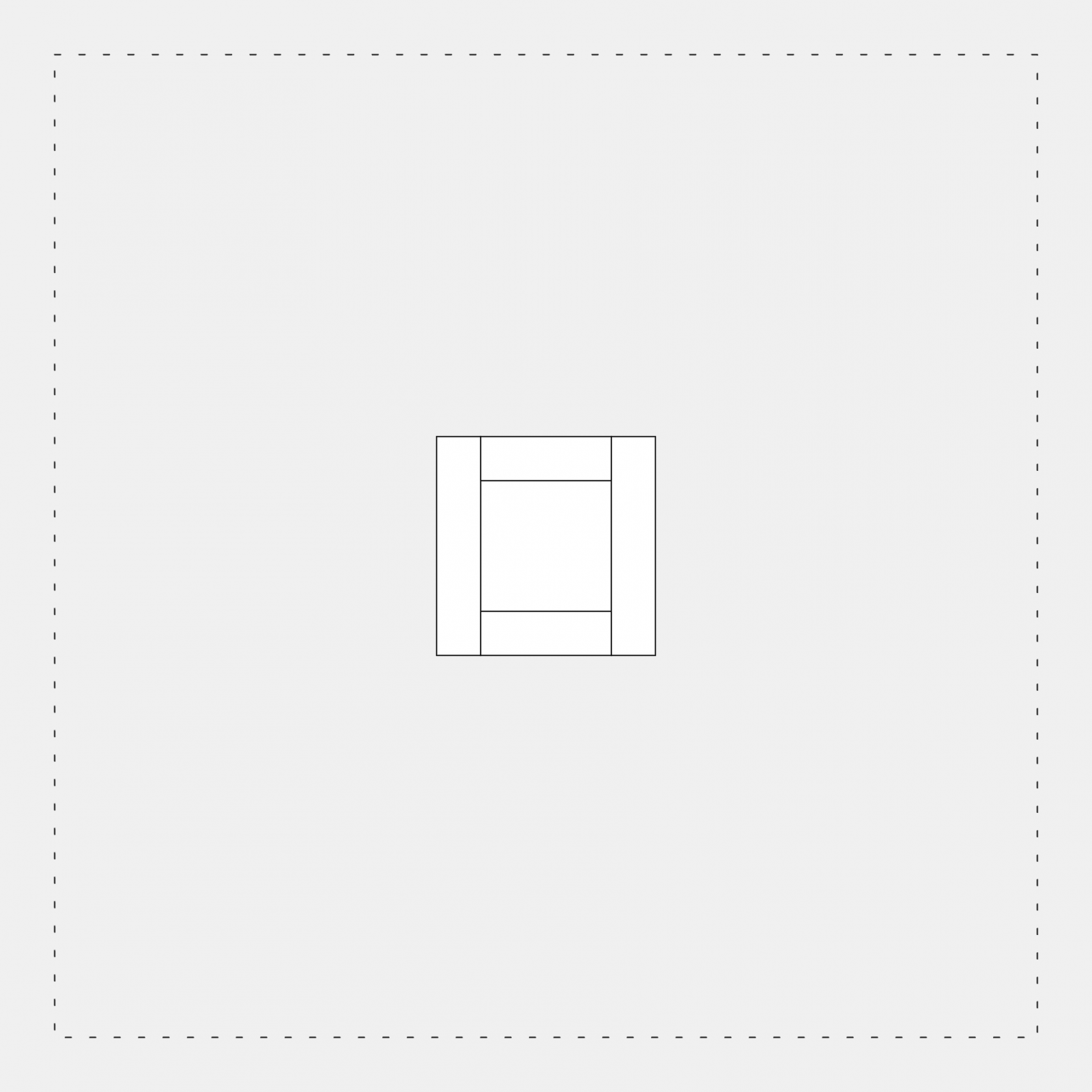
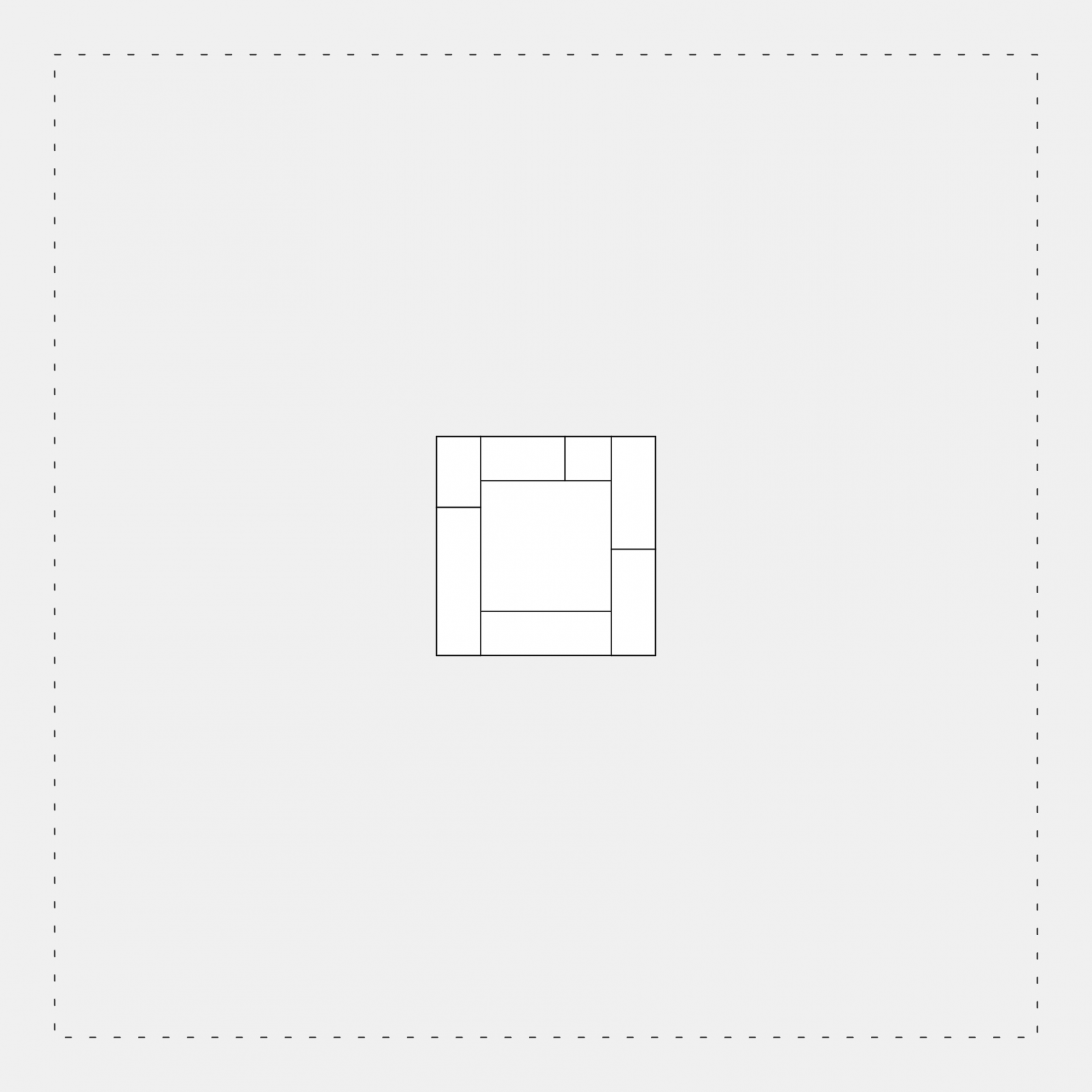
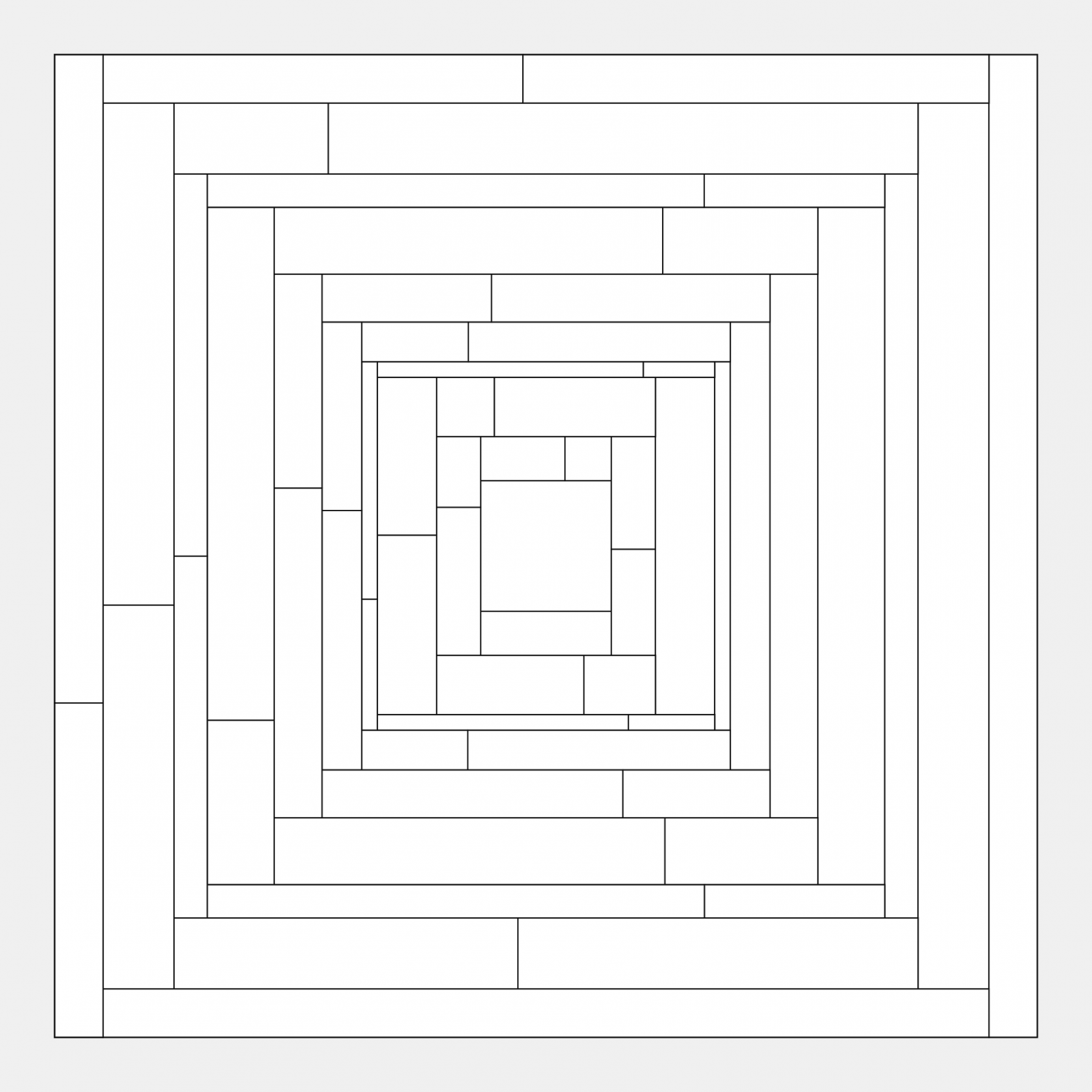
It's not the image we are after, but we think through the process that the quilter goes through when making their quilt. Perhaps you imagine they start by cutting long rectangles with similar widths but random lengths, and then fit them together. Or you imagine a quilter who starts with a rectangle in the middle and works outward, frame by frame. You can imagine another way.

Both deliver an algorithm; one is not more right than the other, but one might be easier to implement computationally. What I am after is a relationship in which the physical process and computational structure are linked.

Double Width
Off
Component

PLAY

Text Implementing this ruleset into a program like Processing or p5js will initially give you results that look similar to your original reference which is exciting but only the startWith a simple system in place one can start playing and experimenting wi

Anna Lucia
Submitted by annaluciacodes on Sun, 05/03/2026 - 11:15

Implementing this ruleset into a program like Processing or p5.js will initially give you results that look similar to your original reference, which is exciting, but only the start.

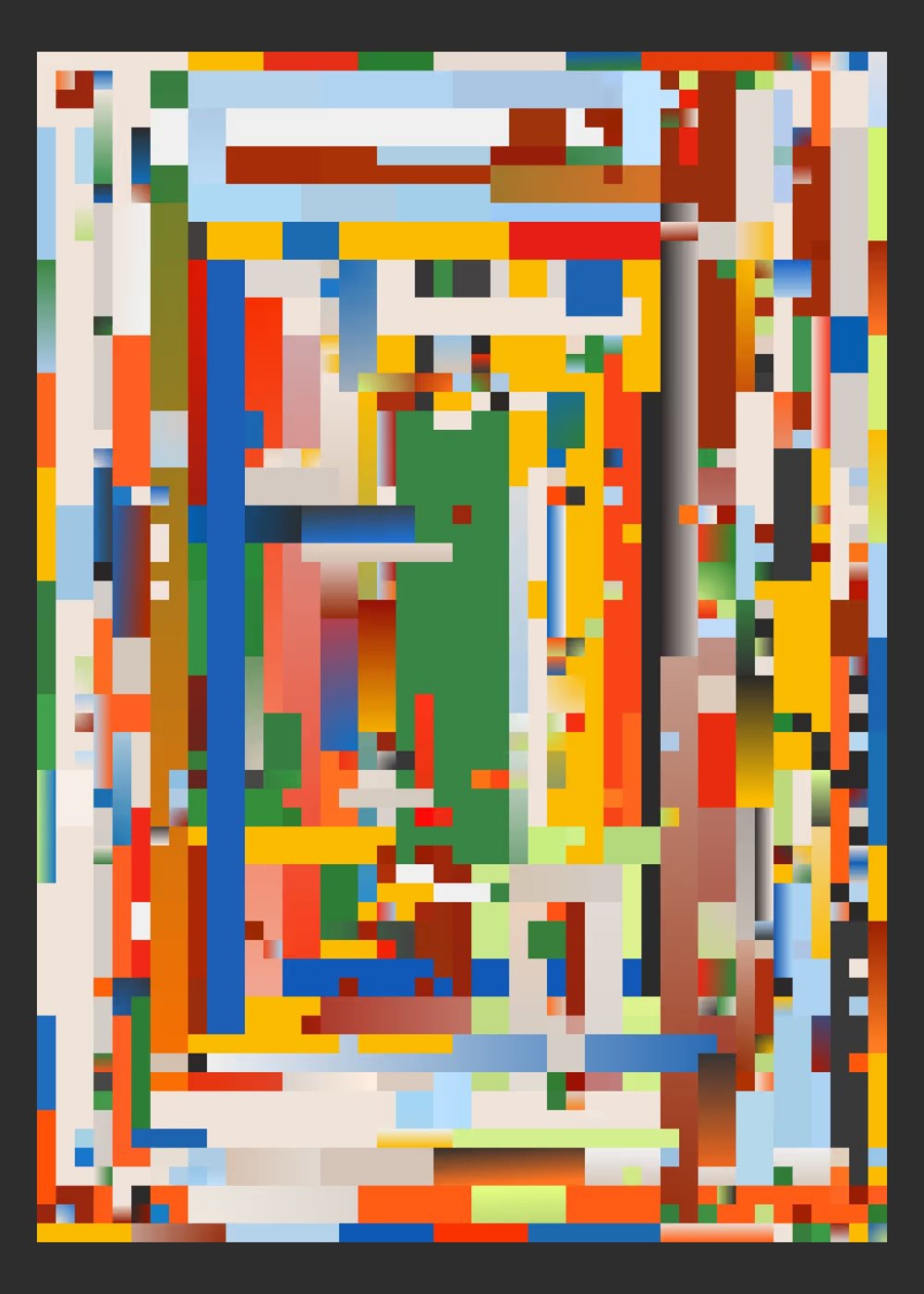
With a simple system in place, one can start playing and experimenting with the probabilities of each rule, get comfortable stretching the probability space, and use randomness as a tool for rapid exploration.

Especially in a time with increasingly sophisticated large language models that can produce 'complex' code effortlessly, I like to focus on finding emergent complexity from a simple set of rules.

Double Width
Off
Component

Text For the Generations project I studied and translated twelve quilts from four quilters For each quilt I repeated the same process and with each new translation I could reuse more functions from previous quilts Building a collection of recipes where fu

Anna Lucia
Submitted by annaluciacodes on Sun, 05/03/2026 - 11:32

For the Generations project, I studied and translated twelve quilts from four quilters. For each quilt, I repeated the same process, and with each new translation, I could reuse more functions from previous quilts. Building a collection of recipes, where functions are like ingredients, each able to generate a different quilt.

After finalizing the translation of each quilt, I returned to playing around with the rules and functions. Different recipes can collaborate, like quilters coming together to work on one project.

Double Width
Off
Component

CONCLUSION

Text I view this way of working for one as a method of archiving not by preserving images as static records but by translating them into systems that can be reactivated and repurposed I also see this process as a way to find new connections between tradit

Anna Lucia
Submitted by annaluciacodes on Sun, 05/03/2026 - 11:37

I view this way of working for one as a method of archiving, not by preserving images as static records but by translating them into systems that can be reactivated and repurposed. I also see this process as a way to find new connections between traditional craft, computational logic, and other art forms. For example, the same algorithm used to create a quilting pattern might be reused to recreate a Mondriaan painting, changing only the input parameters and not the underlying logic.

This form of translation can be applied to other forms of textile traditions or craft techniques. 

Double Width
Off
Component