prototyping space

Created on
Wed, 08/12/2020 - 10:07
Changed on
Fri, 03/19/2021 - 16:55
DOI
10.26017/tda-514
Categories
Published
On
Subtitle
on collective dealing with space
Sticky
Off
Path
prototyping-space
Hide
Off

Prototyping Space

Text prototyping space examines how social participation and the right to the city can be conveyed and strengthened through creative interventions By temporarily reviving central locations within the rooms of your choice We review districts to see if plac

Malte Sonnenschein
Submitted by maltesonnenschein on Tue, 12/08/2020 - 19:12

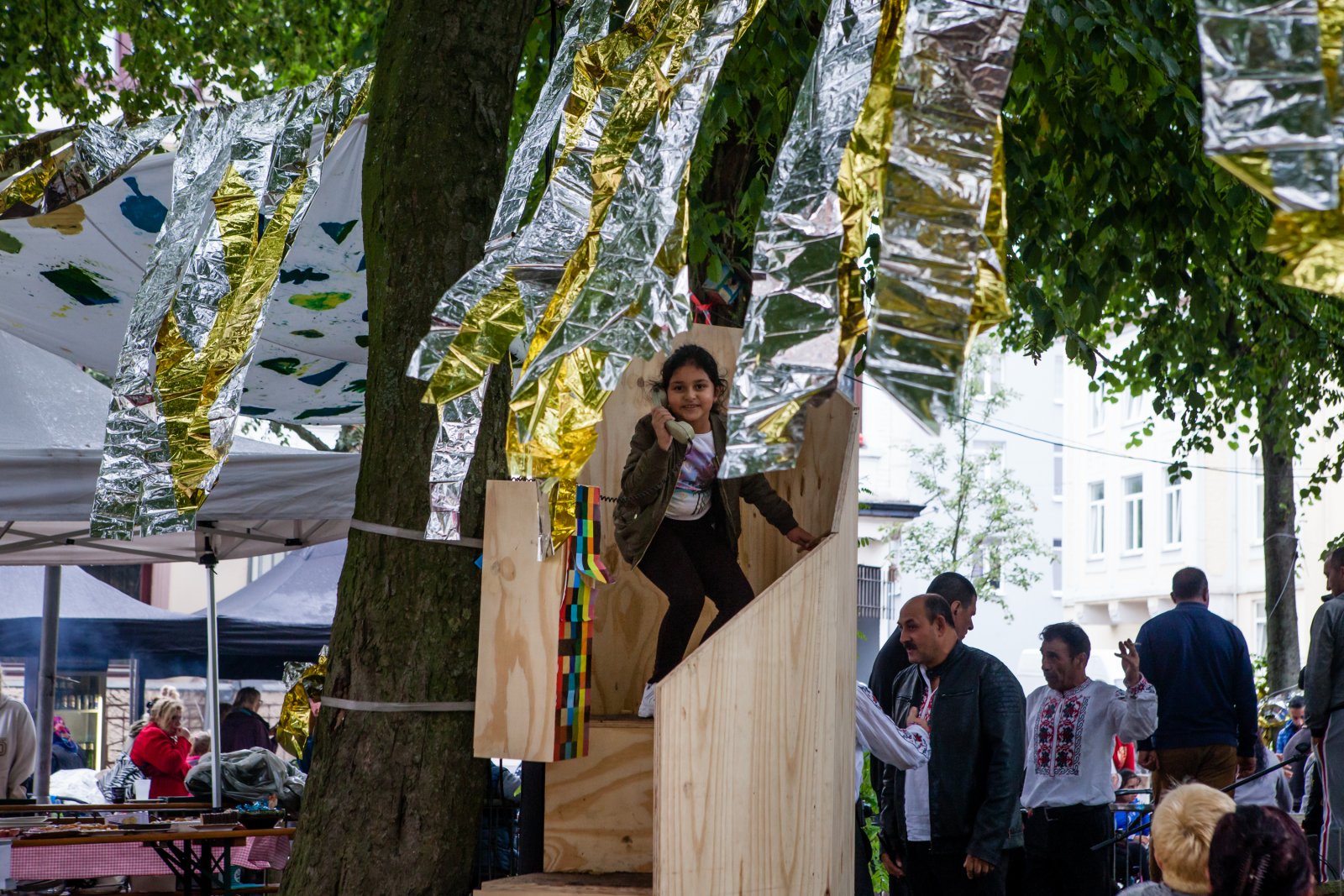
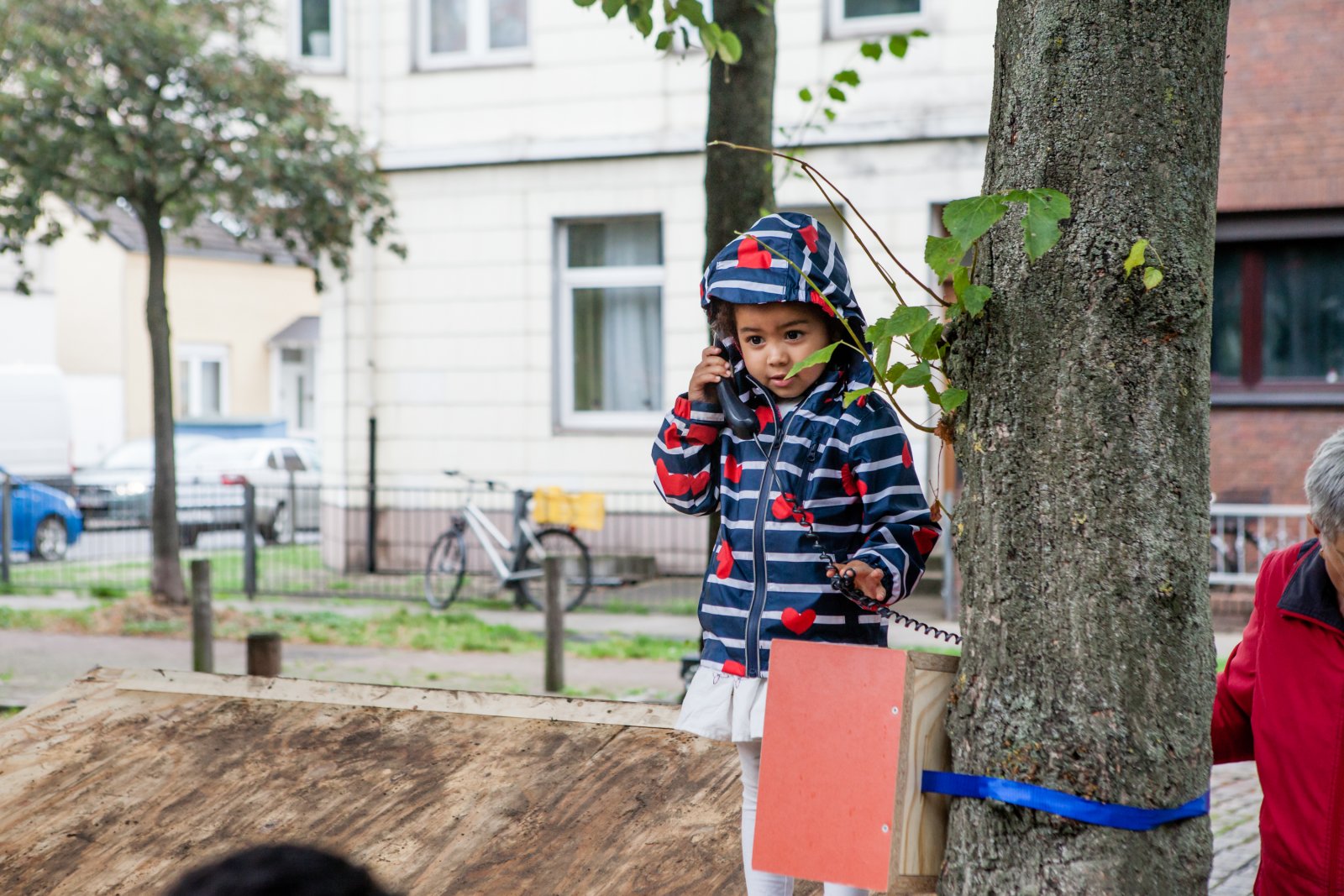
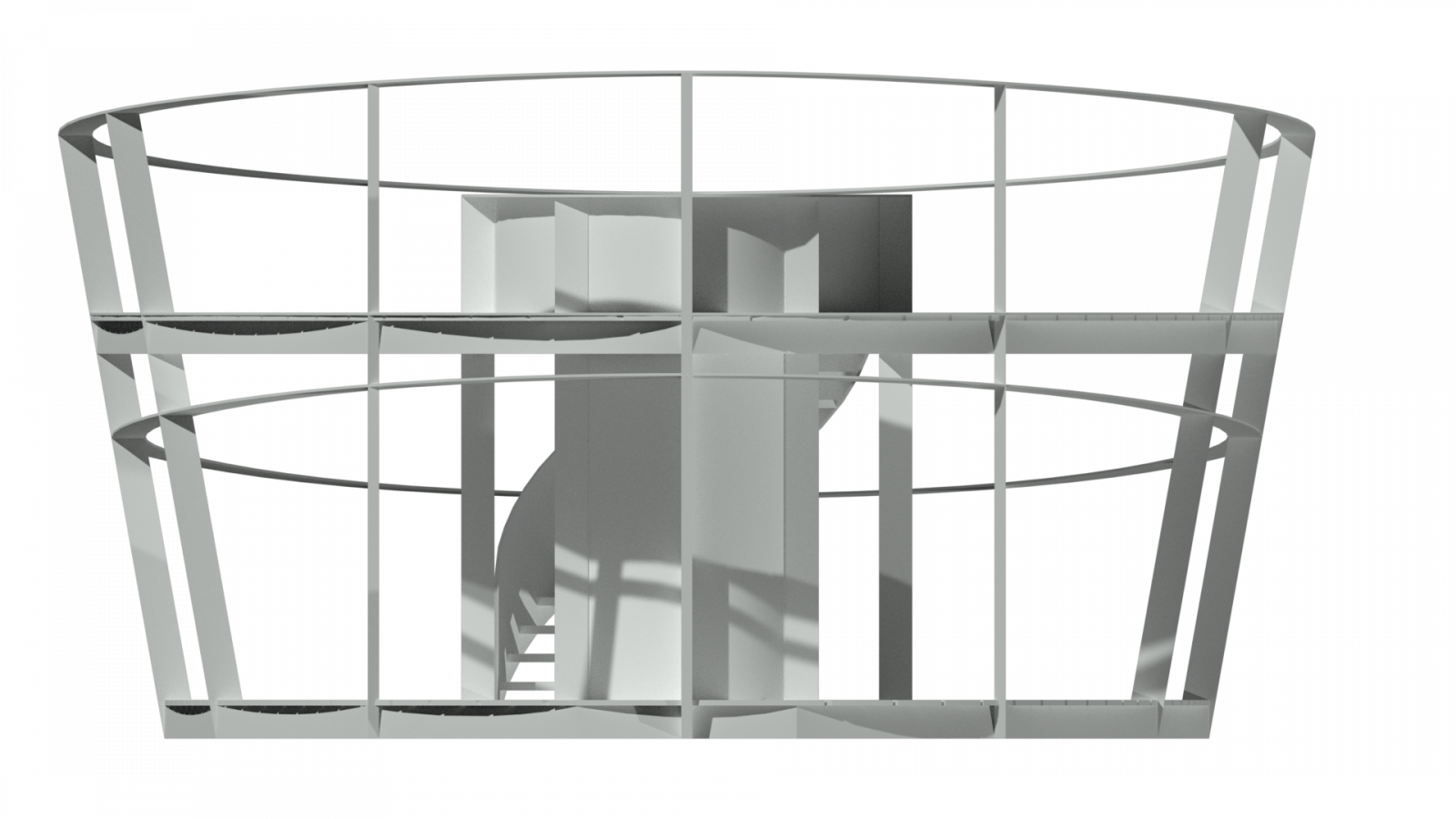
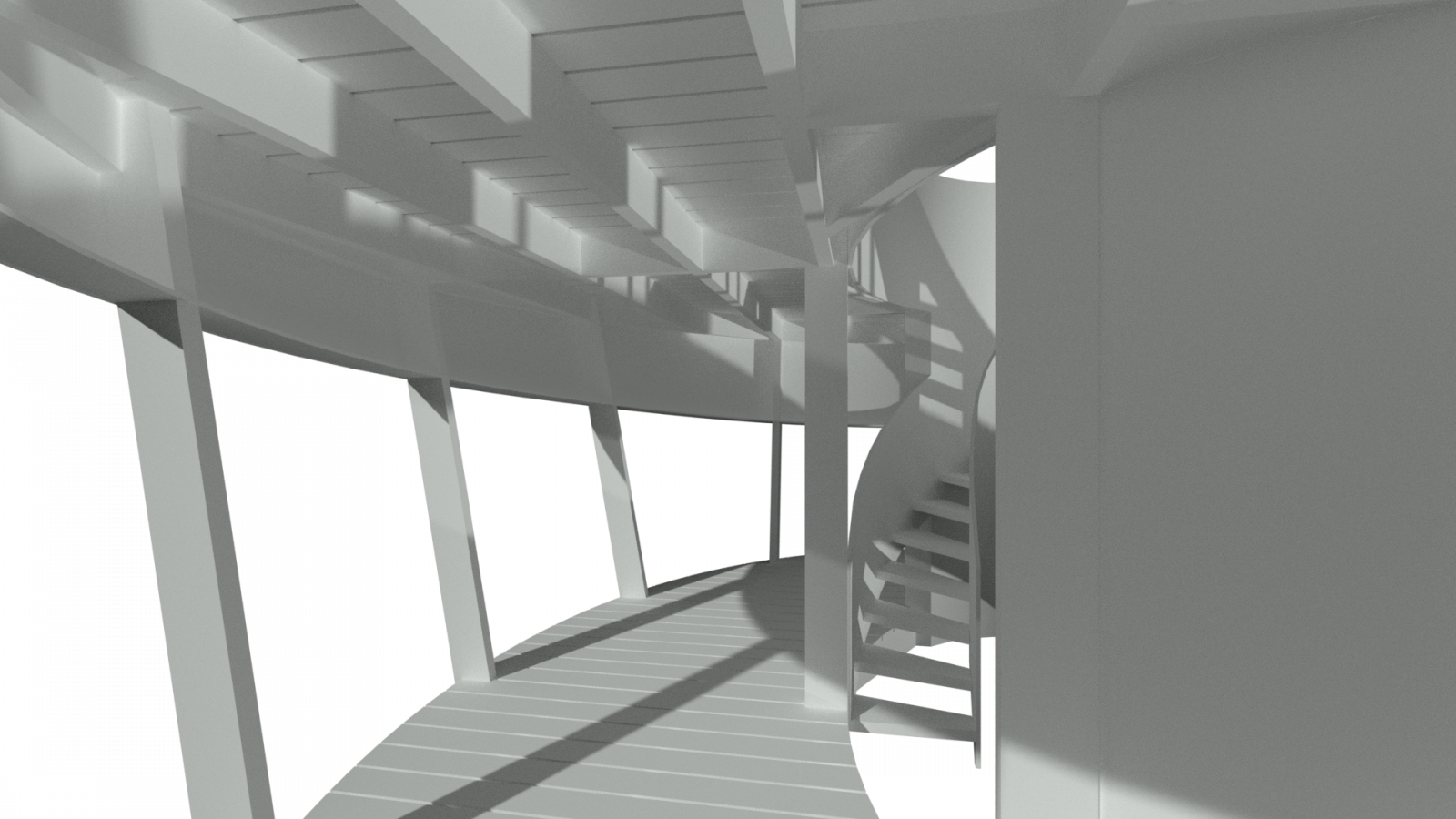
prototyping space examines how social participation and the 'right to the city' can be conveyed and strengthened through creative interventions. By temporarily reviving central locations within the rooms of your choice. We review districts to see if places of community are being created and can be established over the long term.We investigate with the help of temporary architectures in urban areas, how residents use architectural structures and understand this as an extension of private space. This intervention gives insights into the social structures of Lindenhof and shows which basic conditions have to be met better live out the individual right to participate and to be able to use it.The result of the work is the concept and the construction of a walk-in architectural installation as well as events to promote integration and intercultural Exchange in the neighbourhood.
Double Width
Off
Component

Text our aim is to change the perception of spaceThe architecture is not a cultural event in itself but provides a stage for social and cultural initiativesWe examine whether active examples of interventionary action can become an incubator for social eng

Lucas Schmidt
Submitted by lucasschmidt on Thu, 09/24/2020 - 14:32

our aim is to change the perception of space.  The architecture is not a cultural event in itself, but provides a stage for social and cultural initiatives. We examine whether active examples of interventionary action can become an incubator for social engagement. We don't just redefine the professional profile of the designer for us but also take responsibility in a sociocultural context and expand the scope of design professionals into a political context.The goal is the promotion of participatory rights of residents in urban space. The aim is to invite residents to exchange their ideas, needs and daily reproductive labour in extending their private space into the public. The need for this development is analysed both historically and in terms of the social composition of the city quarter. Due to the increasing shortage social spaces in the city this topic is particularly relevant. The conceptual basis of the design contains both the political and sociological approach in handling urban space of the last forty years.

Double Width
On
Component

Text attendancecommunicationcooperationIn activating different parties for an interaction in public space there different sources of knowledge accumulatedThe residents the neighbours hold an irreplacable knowledge about their surroundings and provide an i

Malte Sonnenschein
Submitted by maltesonnenschein on Tue, 12/08/2020 - 19:53

attendancecommunicationcooperationIn activating different parties for an interaction in public space, there different sources of knowledge accumulated.The residents, the neighbours hold an irreplacable knowledge about their surroundings and provide an insiders perspective.Also institutions working in a quarter not only can reach out over an existing network, but also look back on a history of projects and their reflections.After all the municipal institutions can connect the both, but are a valuable partner if convinced to act in public.We are strangers in most places. In our projects we rely on many partners to gather perspectives, insights and opinions before acting.Participation is a needed path for inclusive processes in spacial change and to prevent dictated change. After all, we're not designing for our own benefit, but for spacial improvement around us.

Double Width
On
Component

Text ABOUTWorking together as designers since 2017 we are constantly looking for possibilities for development in the dealing with urban spaceEngaging in a field between architecture and design we draw on methods of physical social and theoretical elabora

Malte Sonnenschein
Submitted by maltesonnenschein on Mon, 10/12/2020 - 11:00

ABOUTWorking together as designers since 2017 we are constantly looking for possibilities for development in the dealing with urban space.Engaging in a field between architecture and design we draw on methods of physical, social and theoretical elaboration. The basis of our work is multidisciplinary collaboration on eye level, with different professions, instituations as well as a cities residents.This component displays three major areas of our work: Our approach in research, methodology and the character of our design.The City — a common responsibilityTogether we want to establish urban space as a space of action. Rights and responsibilities should be executed equally by residents, political parties and institutions.Urban space is developed into a space of common rights replacing top-down processes by an active and decisive community. Present Potentials — detect and activateI our understanding the lack of space in modern urban surroundings is a work order to address deficits in the operations of the administration. We want to recruit them as an accomplice in detecting spacial options and working with non-commercial solutions to establish new perspectives for a cities residents.Community — developing exchangeIndividual differences provide an opportunity to develop the fields of design in exchanging various approaches.To establish and cherish talks, partnerships and developments with fellow residents as well as collectives and the city itself are key in our collaboration.

Double Width
Off
Component