Photographs as pigments and fibers in the creation of False Memory

Created on
Wed, 07/17/2019 - 12:30
Changed on
Wed, 09/13/2023 - 15:05
DOI
10.26017/tda-228
Categories
More about the Work
http://www.mmahboubifar.com/ectomy
Published
On
Sticky
Off
Path
photographs-as-pigments-and-fibers-in-the-creation-of-false-memory

What is a False Memory?

Text Studies demonstrate that the structure of memory is reconstructive and vulnerable to large range of errors Sometimes this even leads to the development of completely false autobiographical memories Loftus and Pickrell 1995 A false memory is a mental

Mahshid Mahboubifar
Submitted by mahshid on Wed, 07/17/2019 - 12:30

Studies demonstrate that the structure of memory is reconstructive and vulnerable to large range of errors. Sometimes, this even leads to the development of completely false autobiographical memories (Loftus and Pickrell, 1995). A false memory is a mental experience that is mistakenly taken to be a veridical representation of an event from one’s personal past (Johnson, 2001)False memories can occur in either remembering events that never happened or remembering them significantly different from the way they actually occurred (Roediger III, H.L. & McDermott, K.B. , 1995). 

Double Width
Off
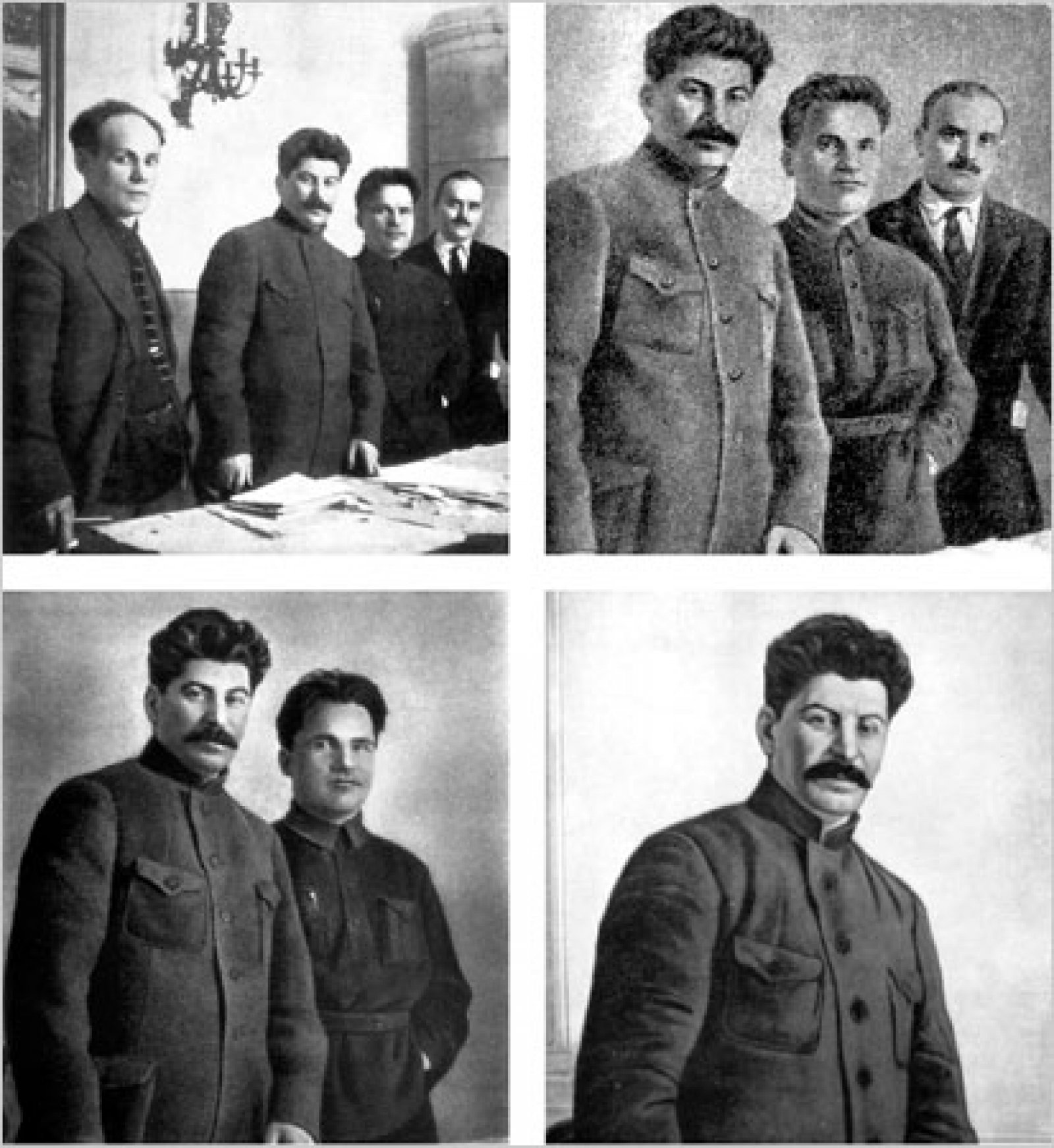
Text In the dark green metal boxes containing mug shots of subjects starting with T were hundreds of photographs of famous Russians Tolstoy Turgenev etcbut no Trotsky They had completely wiped him out It was at this moment that I determined to start my co

Mahshid Mahboubifar
Submitted by mahshid on Wed, 07/17/2019 - 12:35

“In the dark green metal boxes containing mug shots of subjects starting with ‘T’ were hundreds of photographs of famous Russians: Tolstoy, Turgenev, etc.–but no Trotsky. They had completely wiped him out. It was at this moment that I determined to start my collection.” David King introduction of The Commissar Vanishes: The Falsification of Photographs and Art in Stalin’s Russia (1997) 

Double Width
On

Text During my visit to Lisbon I came across some distorted images made of tiles which were an interesting example of the way the original image has changed to a new but wrong one The whole image is distorted by filling the gaps with wrong piecesAccording

Mahshid Mahboubifar
Submitted by mahshid on Wed, 07/17/2019 - 12:38

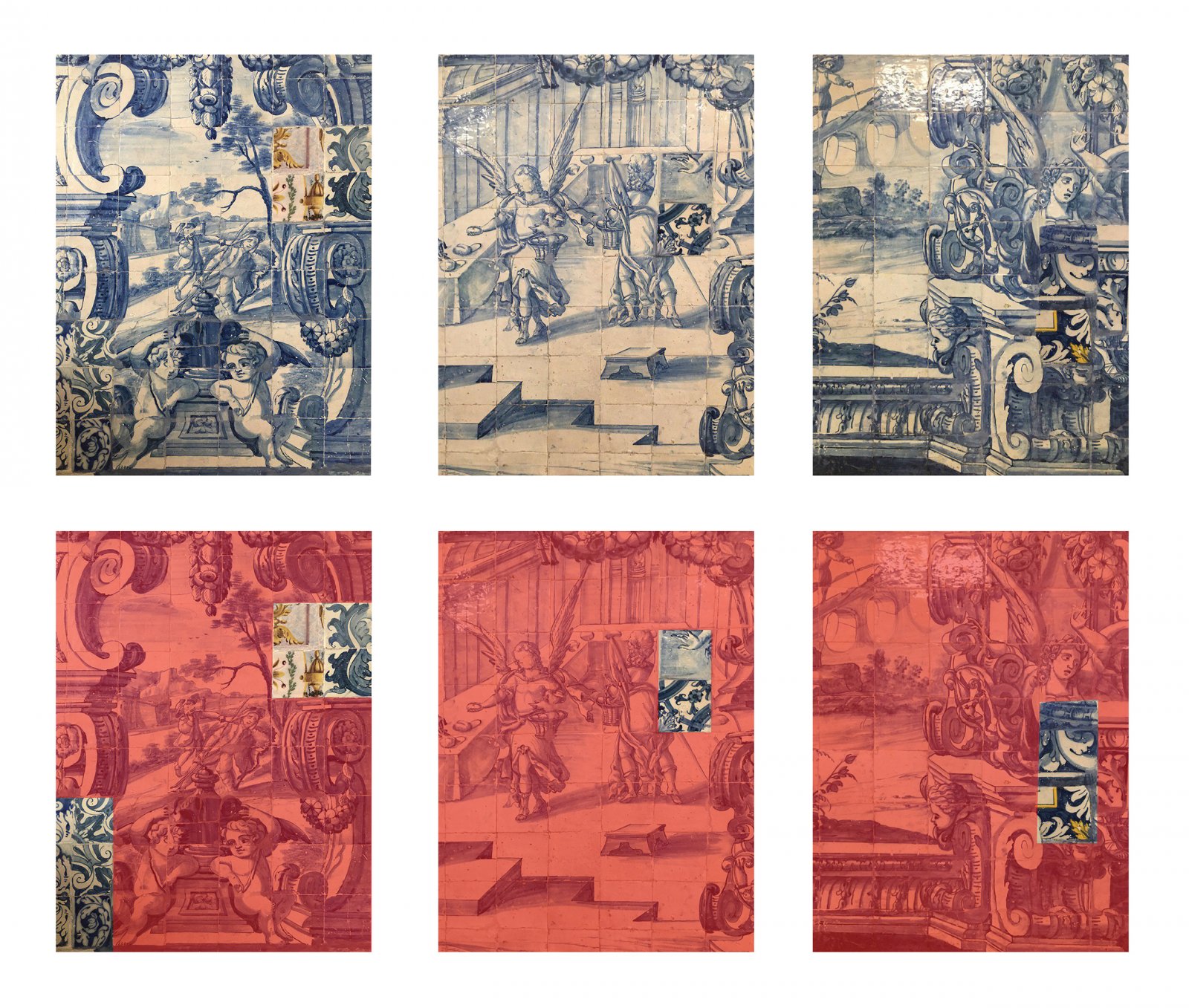
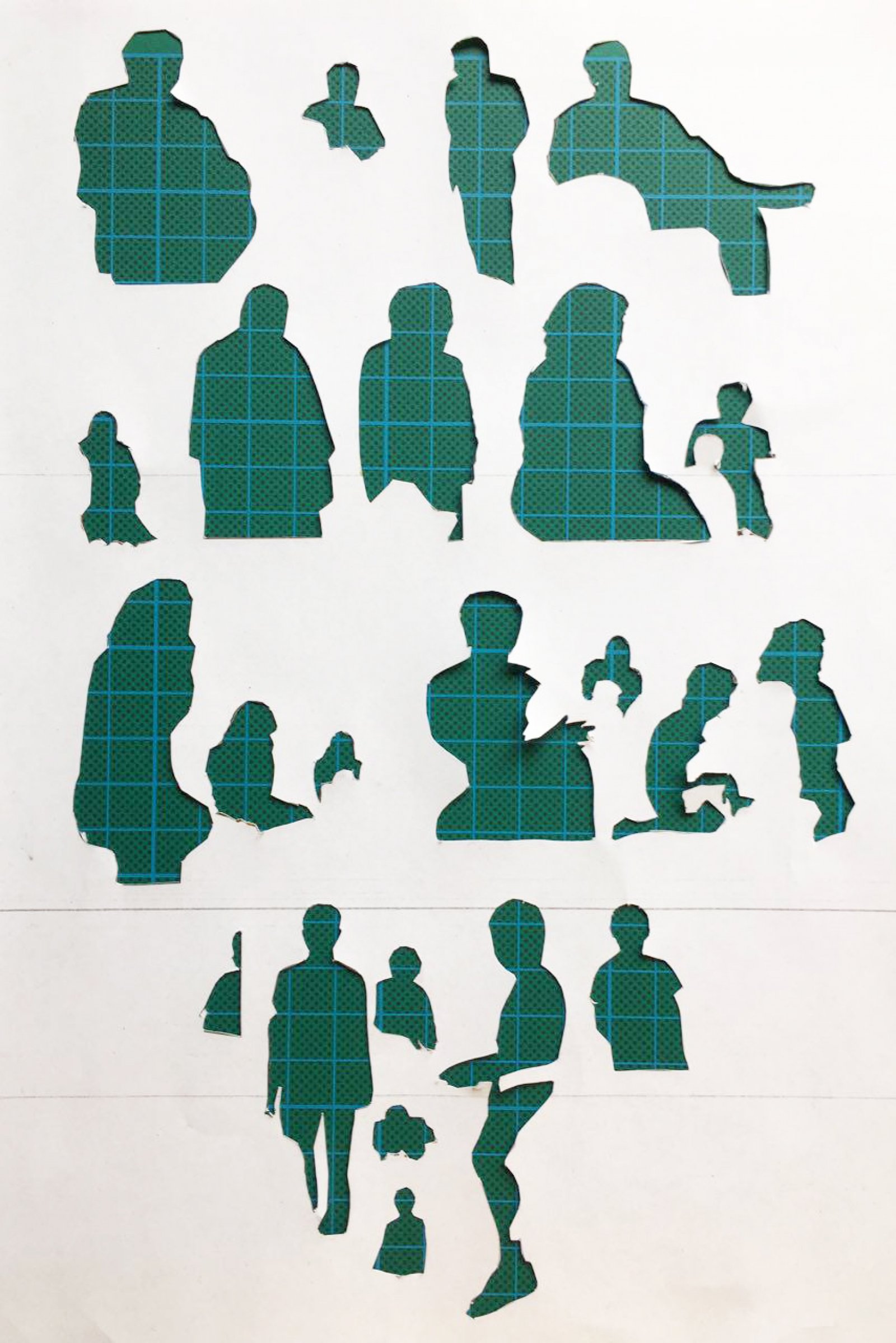
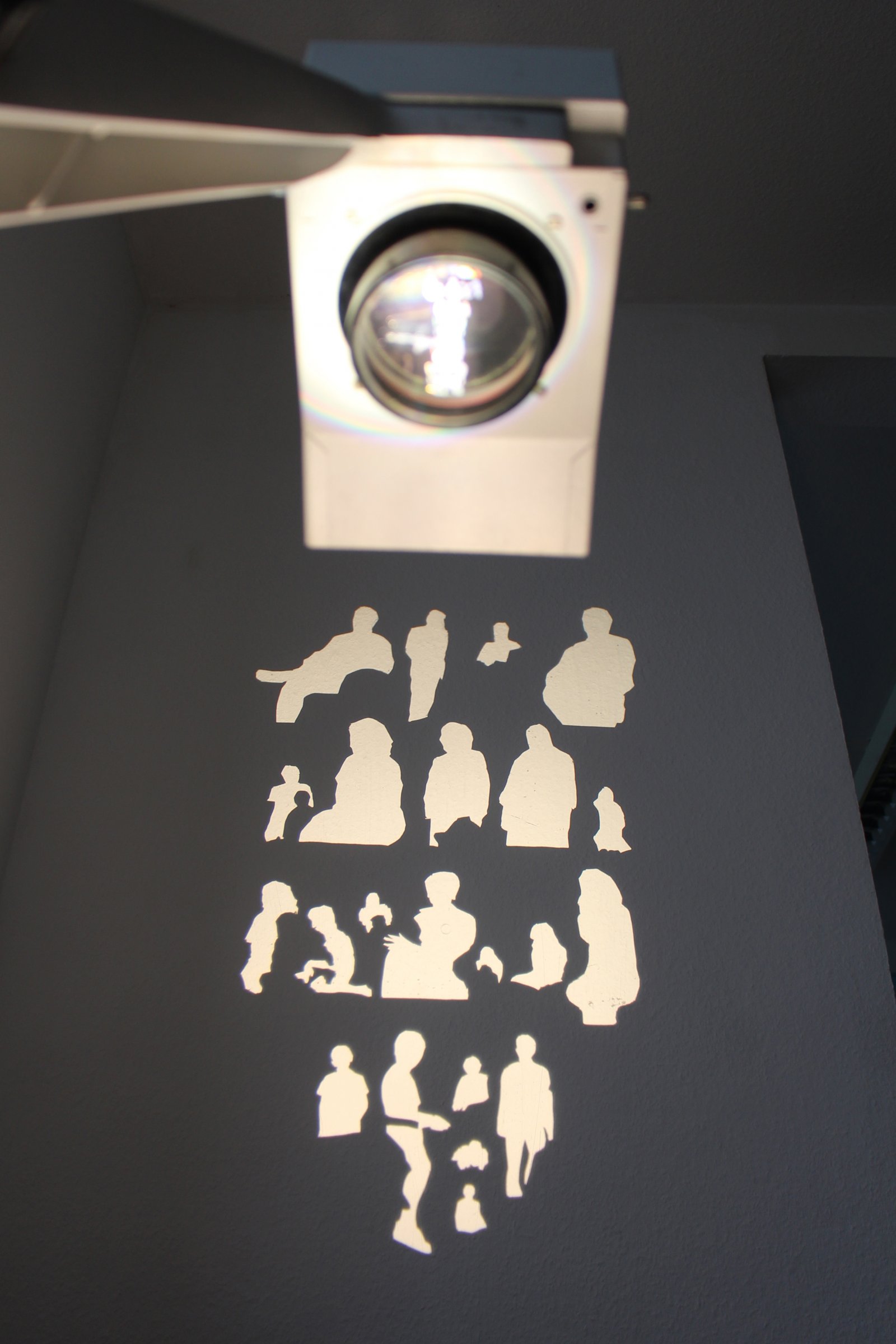
During my visit to Lisbon I came across some distorted images made of tiles which were an interesting example of the way the original image has changed to a new, but wrong one. The whole image is distorted by filling the gaps with wrong pieces. According to the errors in tiles, the structure of false memory can be simplified to three main parts:⦁ The original and true memory⦁ The gaps in details of the true memory⦁ The gaps filled with new details which produce false memory Original photographs can be taken as the original and reliable verification of a past event. One can use their own autobiographical photographs, since memories of childhood are more vulnerable to be false. 

Double Width
Off

Techniques

Text Printing and scanning as a metaphor of rememberingWith repeated imagination or retrieval memorial information becomes progressively more familiar more complete and source discrimination becomes more difficult Heaps Nash 2001

Mahshid Mahboubifar
Submitted by mahshid on Wed, 07/17/2019 - 12:39

Printing and scanning as a metaphor of remembering: With repeated imagination or retrieval, memorial information becomes progressively more familiar, more complete, and source discrimination becomes more difficult (Heaps, Nash, 2001).

Double Width
Off

Text Making paper by using photographsPapers can be madeof early childhood photographs The period that we do not remember much about As scholars argue that children cannot remember events until they can rehearse them by talking about them

Mahshid Mahboubifar
Submitted by mahshid on Wed, 07/17/2019 - 14:48

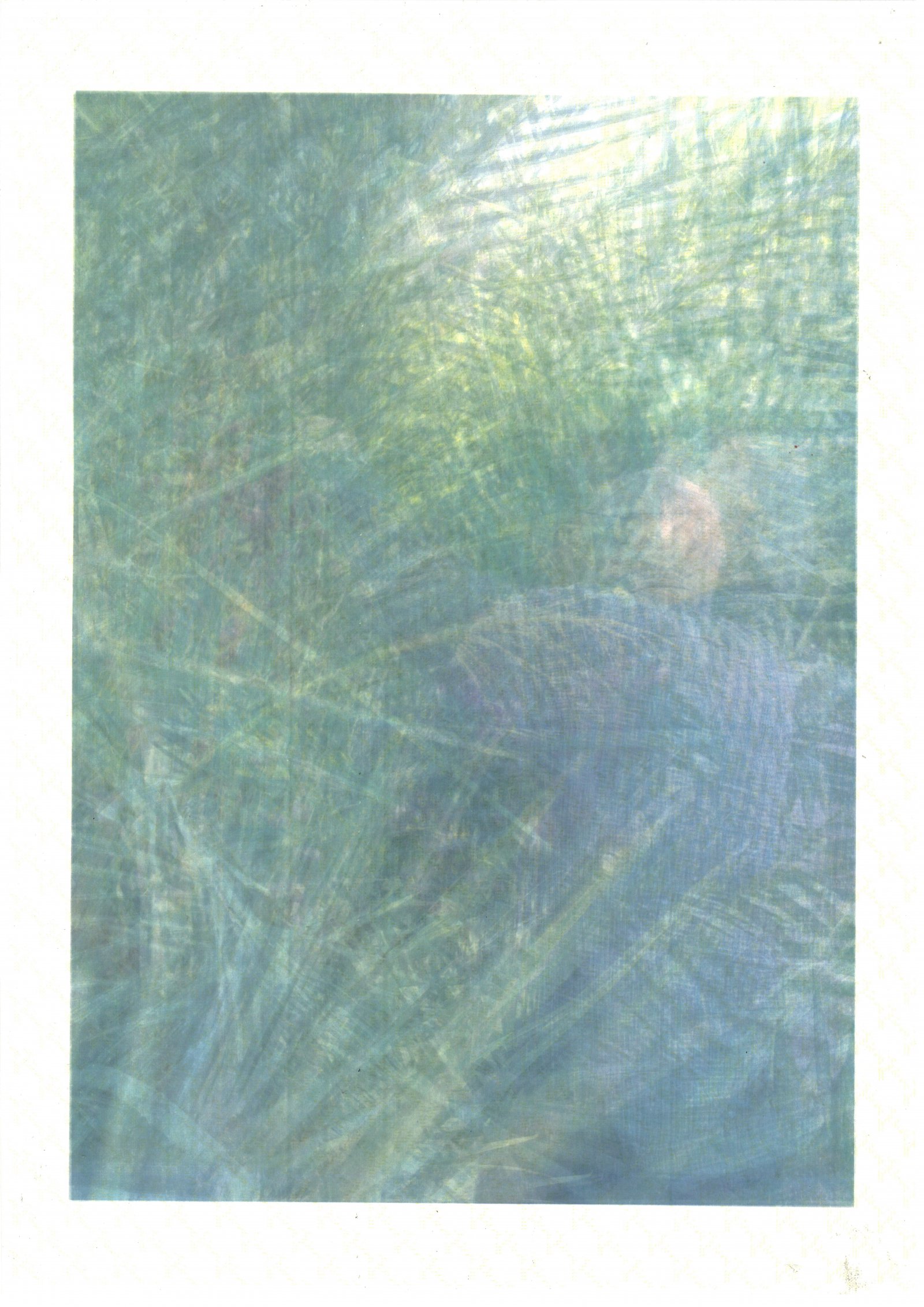
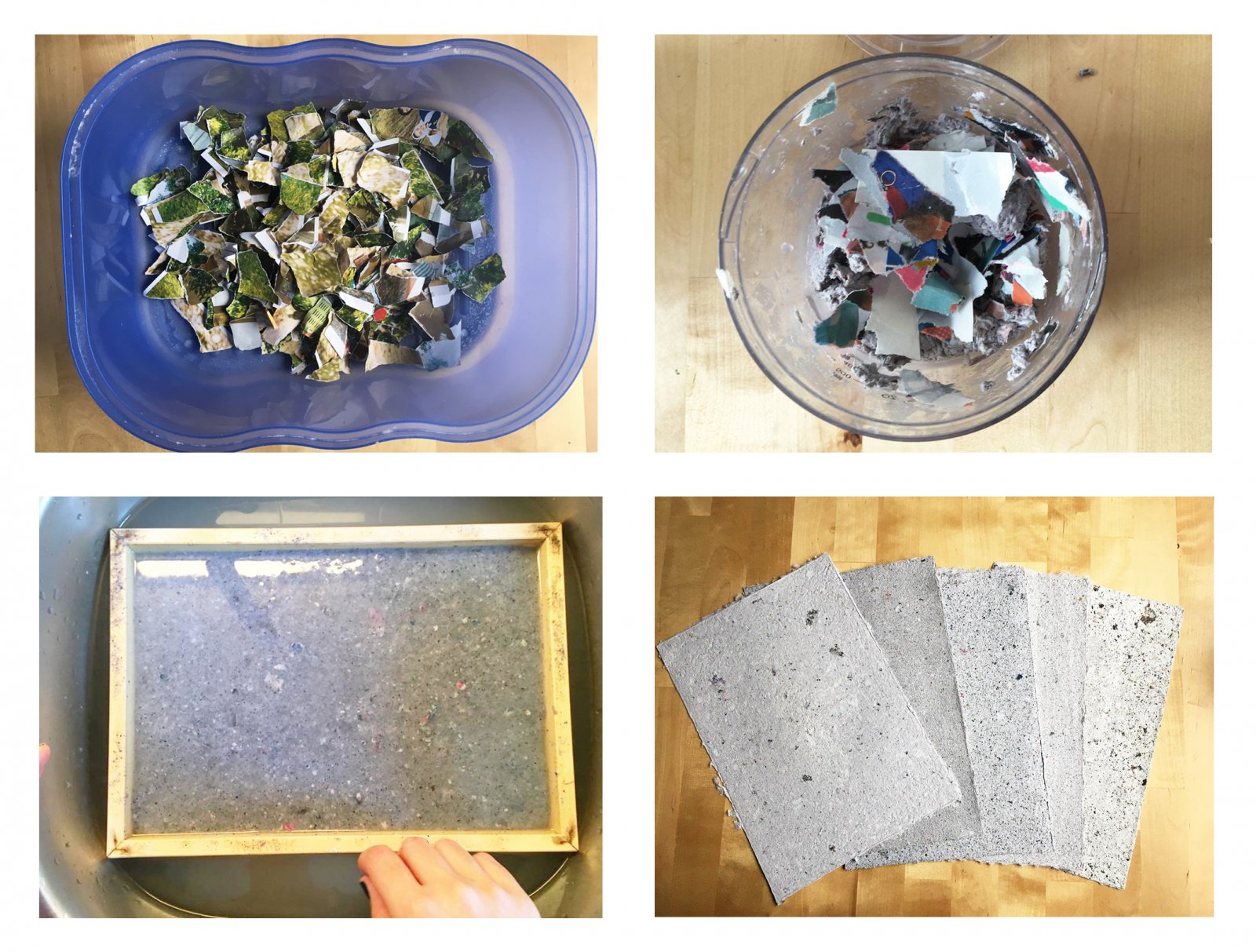
Making paper by using photographs: Papers can be made of early childhood photographs. The period that we do not remember much about. As scholars argue that children cannot remember events until they can rehearse them by talking about them.

Double Width
Off

Text Copying the images using tapesPut a piece of tape on a printed image The tape with some pressure sticks to the color pigments By removing the tape from the picture the tape includes some small parts of the photographs color pigments By putting numero

Mahshid Mahboubifar
Submitted by mahshid on Wed, 07/17/2019 - 14:51

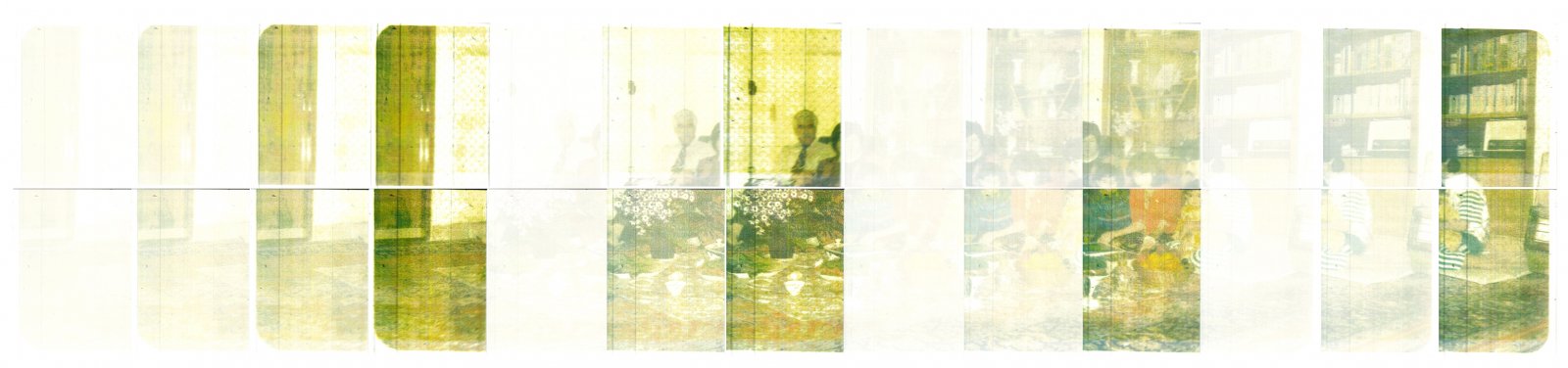
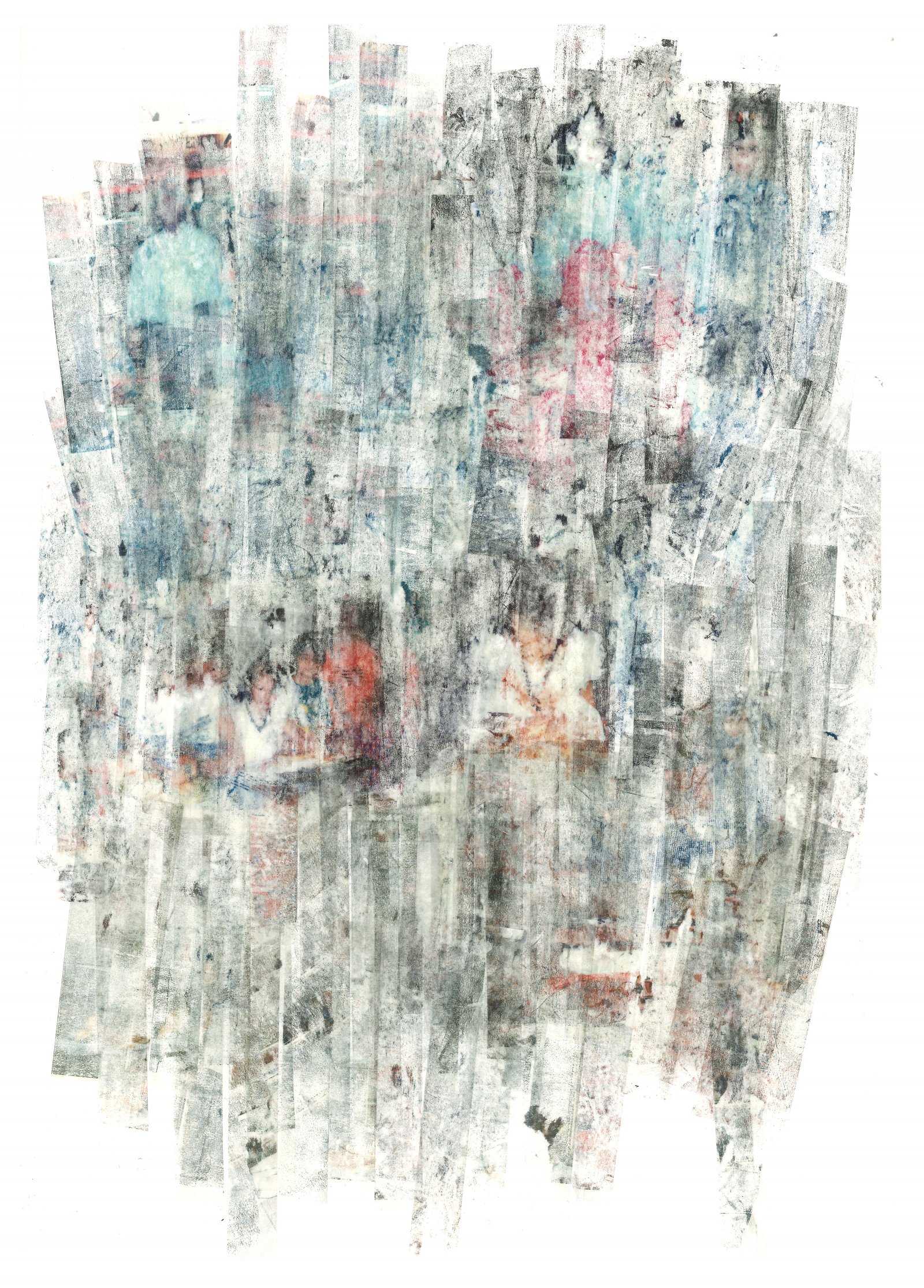
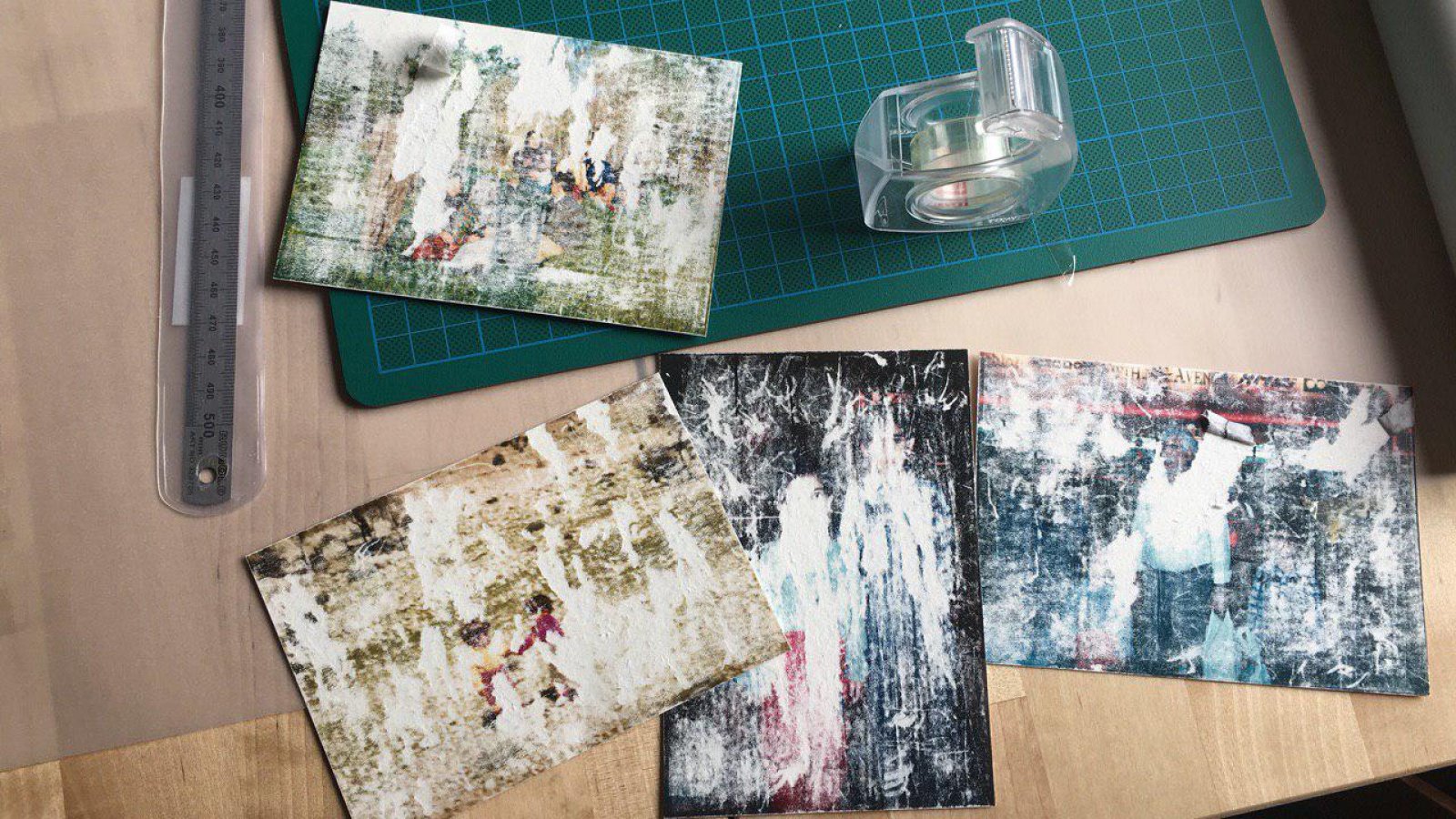
Copying the images using tapes:Put a piece of tape on a printed image. The tape with some pressure sticks to the color pigments. By removing the tape from the picture, the tape includes some small parts of the photograph’s color pigments. By putting numerous pieces of tape, one can recreate some details of a memory, or make a completely new one.

Double Width
Off

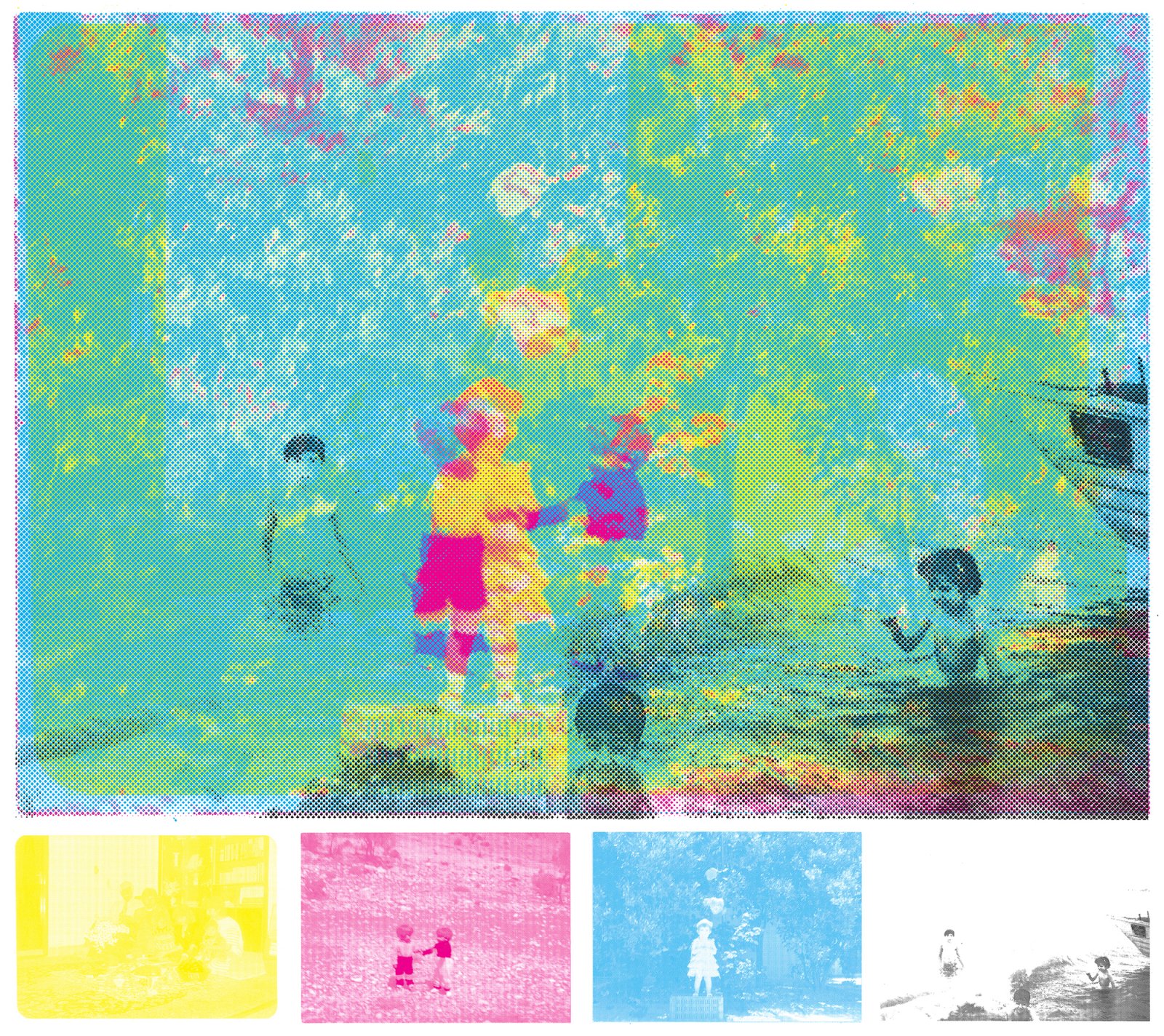
Text Separating the CMYK layers of imagesCyanmagenta yellow and black colors can be separated from the images and printed separately The idea is to make a gap between the main colors in printing and put them all together to produce a new image

Mahshid Mahboubifar
Submitted by mahshid on Wed, 07/17/2019 - 15:23

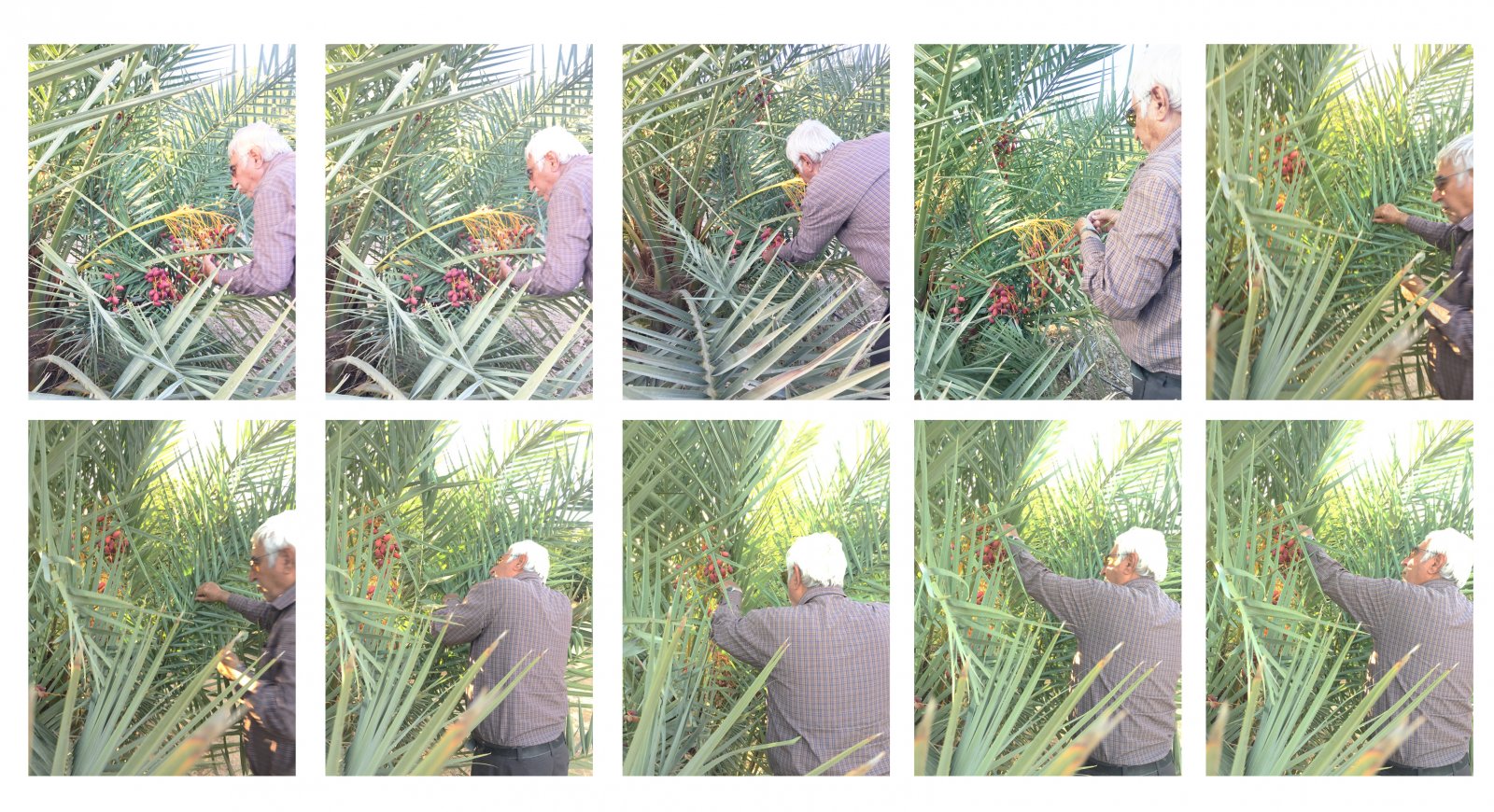
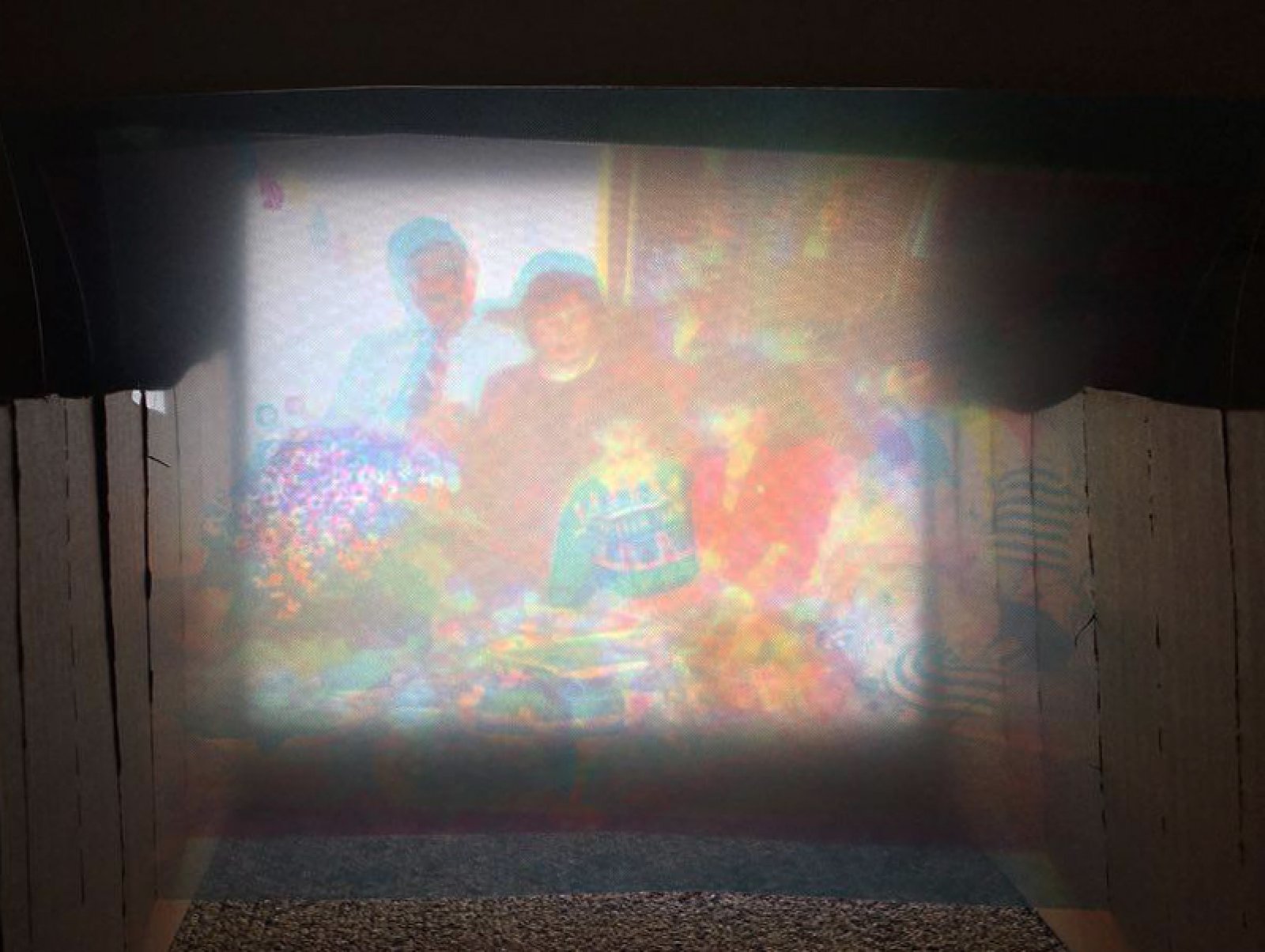
Separating the CMYK layers of images: Cyan, magenta, yellow and black colors can be separated from the images and printed separately. The idea is to make a gap between the main colors in printing and put them all together to produce a new image.

Double Width
Off