MAYURA: ATTEMPT#2 TO FIND NEW NARRATIVES

Created on
Sun, 10/27/2019 - 17:54
Changed on
Wed, 10/30/2019 - 15:06
DOI
10.26017/tda-385
Categories
Published
On
Sticky
Off
Path
mayura-attempt2-to-find-new-narratives

MAYURA: ATTEMPT#2 TO FIND NEW NARRATIVES

Text MayuraI kneel and sit on my heelsMy knees are hip width apart I lay my hands on the floor my fingers pointing towards meI bring my elbows as close to one another as I manageI bend towards my elbows and feel a pressure on my abdomenLuckily I have smal

Paula Hurtado
Submitted by paula.hurtado on Sun, 10/27/2019 - 17:58

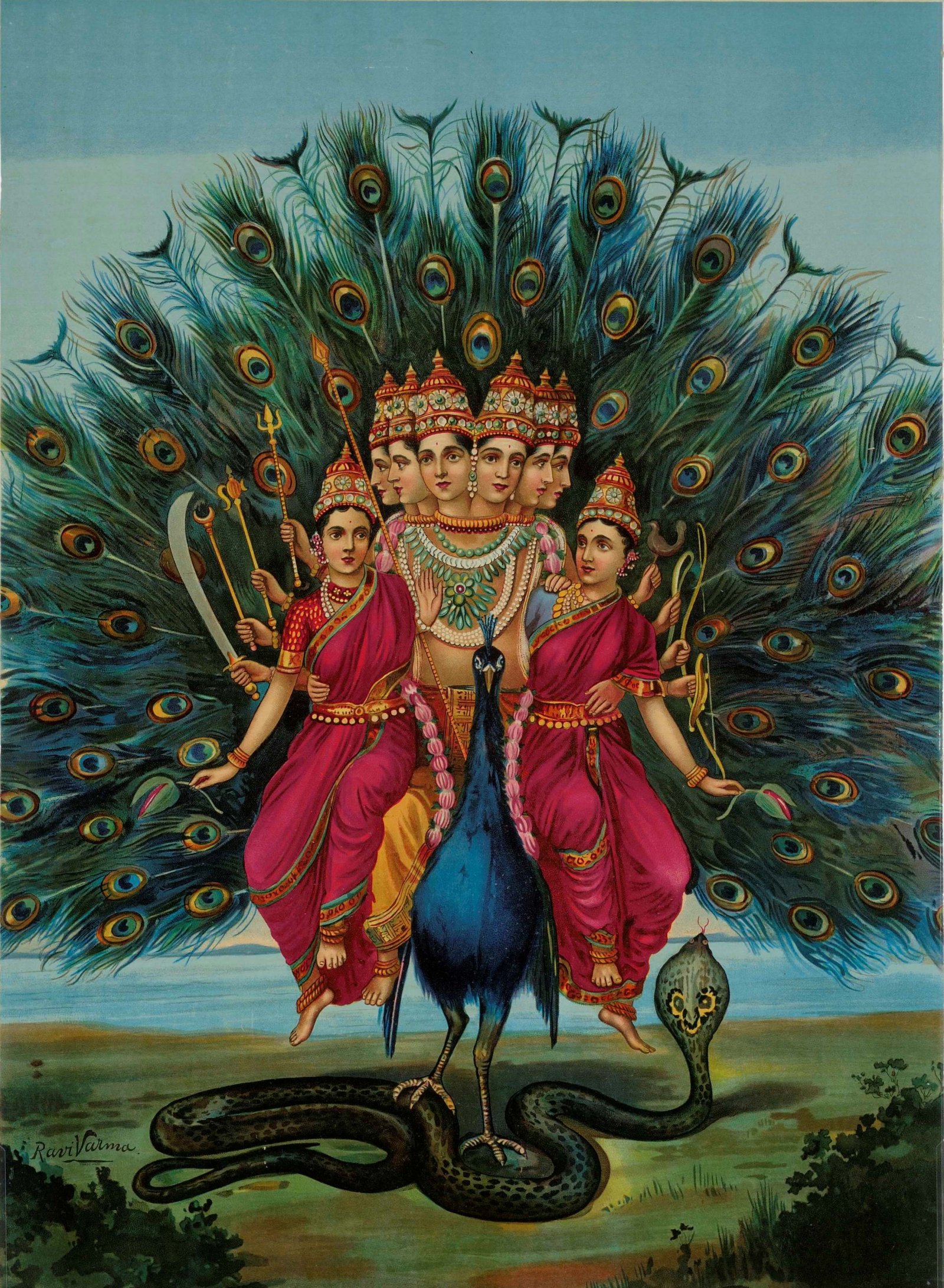
Mayura.  I kneel and sit on my heels. My knees are hip width apart. I lay my hands on the floor, my fingers pointing towards me. I bring my elbows as close to one another as I manage. I bend towards my elbows and feel a pressure on my abdomen. (Luckily I have small breasts that let me keep the arms close together. This shall give stability to the posture.) Slowly I place my forehead on the ground, my hip rises a little. I stretch my legs back and feel even more pressure on my stomach. I lift my forehead from the floor and, as far as my neck allows, I look forward. Slowly and controlled I lift one foot from the floor. (I feel my weight shifting towards the front. I am a determined body looking for a point of balance and focus) When the strength and balance prevails, I lift my other foot from the floor. (It’s hard to breathe and keep the pose still. Quickly after I collapse)  I feel tired and can’t remember precisely what just happened, how I fell. All I know is that I lie on my back on the floor looking towards the ceiling or the sky and what I remember is that my first goal was to enter into this pose to see things differently. But even the attempt failed.  -- The peafowl in Hinduism is accompanying the trimurti. It appears as a companion or as a mount or conveyance for (and its feathers as gift to) the deities that embody the three forces: creation, maintenance and destruction. -- My body is full of limitations imposed partly by the mind. A mind that has also determined how I see the world, how I read history, how I perceive relations. All from a point of comparison between me and the other. Two that are different. Unable to embrace all as one. I try again from the beginning, kneeling on the floor, and doing the procedure all over again with the hope to once be able to embody another perspective and possibly thereby be able to narrate life as one allowing the dichotomy to vanish. I want to perceive history in its whole; in its creation, maintenance and destruction.
Double Width
Off

Text TiergehegeThe Brgerpark is one of the highlights to visit in the city of Bremen It invites you to take a pause from the hectic daily life and to take a walk among the trees between the meadows following the carefully planned paths for you to have the

Paula Hurtado
Submitted by paula.hurtado on Sun, 10/27/2019 - 18:14

Tiergehege The Bürgerpark is one of the highlights to visit in the city of Bremen. It invites you to take a pause from the hectic daily life and to take a walk among the trees, between the meadows, following the carefully planned paths for you to have the feeling of getting lost in nature while still keeping track of where you are, knowing you won’t get lost in wilderness and will be able to return anytime to the hectic life in the city.  At some point during the walk you might encounter the Tiergehege (the first version of it created on 1869). It is a sort of small Zoo that houses both exotic “wild” animals as well as some farm animals. Of course they have all been domesticated. It is not a Streichelzoo but some of the animals are likely to be touched, caressed or fed by the passer-by humans since they are walking or flying freely, and are not enclosed by a fence. Since 1903 many different animals such as kangaroos, monkeys and dromedaries (apart from other local species) have stepped onto the park and lived there under meteorological conditions that would have been usually unknown, unusual and rather unnatural to them. Still they managed to survive under these circumstances and fulfilled the task given by their owners, namely the entertainment of the visitors of the park.  Such exoticism had to be seen! And is yet to be seen! Possibly one of the highlights wandering around the park to this day are the peafowls. They are native to the areas we call India and Sri Lanka but these two exemplars however have managed to survive and adapt to the weather of Bremen.  I have had various encounters with the peafowls that stroll through the park and I always wondered how their body weight constantly shifts in order to balance with such long feathers on their back. I wonder how it was for them to be transported all the way here, what they have seen and how they would tell that precise story. How would they depict life from their perspective and would it be in any way alike to ours.Or how do they feel about their presence in the Hindi tradition, or about the symbolism we impart through their bodies.

Double Width
Off

Text ComposingIs it possible to deconstruct the humancentered perspective of historyIs it possible to embody the otherthanhuman and narrate history from that perspectiveWould embodying this new entity allow a shift in the politics of place as I know themW

Paula Hurtado
Submitted by paula.hurtado on Tue, 10/29/2019 - 11:53

Composing Is it possible to deconstruct the human-centered perspective of history? Is it possible to embody the other-than-human and narrate history from that perspective? Would embodying this new entity allow a shift in the politics of place as I know them? Would this shift enable new encounters?  Would these new encounters give us answers to find unity, empathy, consensus and inclusion in the structures we have so far—as the human race—managed to construct?

Double Width
Off