Waiting (for) a Garden

Created on
Mon, 11/13/2023 - 11:33
Changed on
Mon, 04/20/2026 - 20:01
DOI
10.26017/tda-655
Categories
Component Reference
Published
On
Sticky
On
Path
waiting-for-a-garden
Hide
Off

Waiting a Garden

Text WARTENGARTEN located in the former railway tracks in front of Speicher XI has been growing since 2021 As a garden forwithin the University of the Arts Bremen it is envisioned asa space for listeninga platform for encountera habitat of rewildinga stud

Bubu Mosiashvili
Submitted by bubumosiashvili on Wed, 07/24/2024 - 12:04

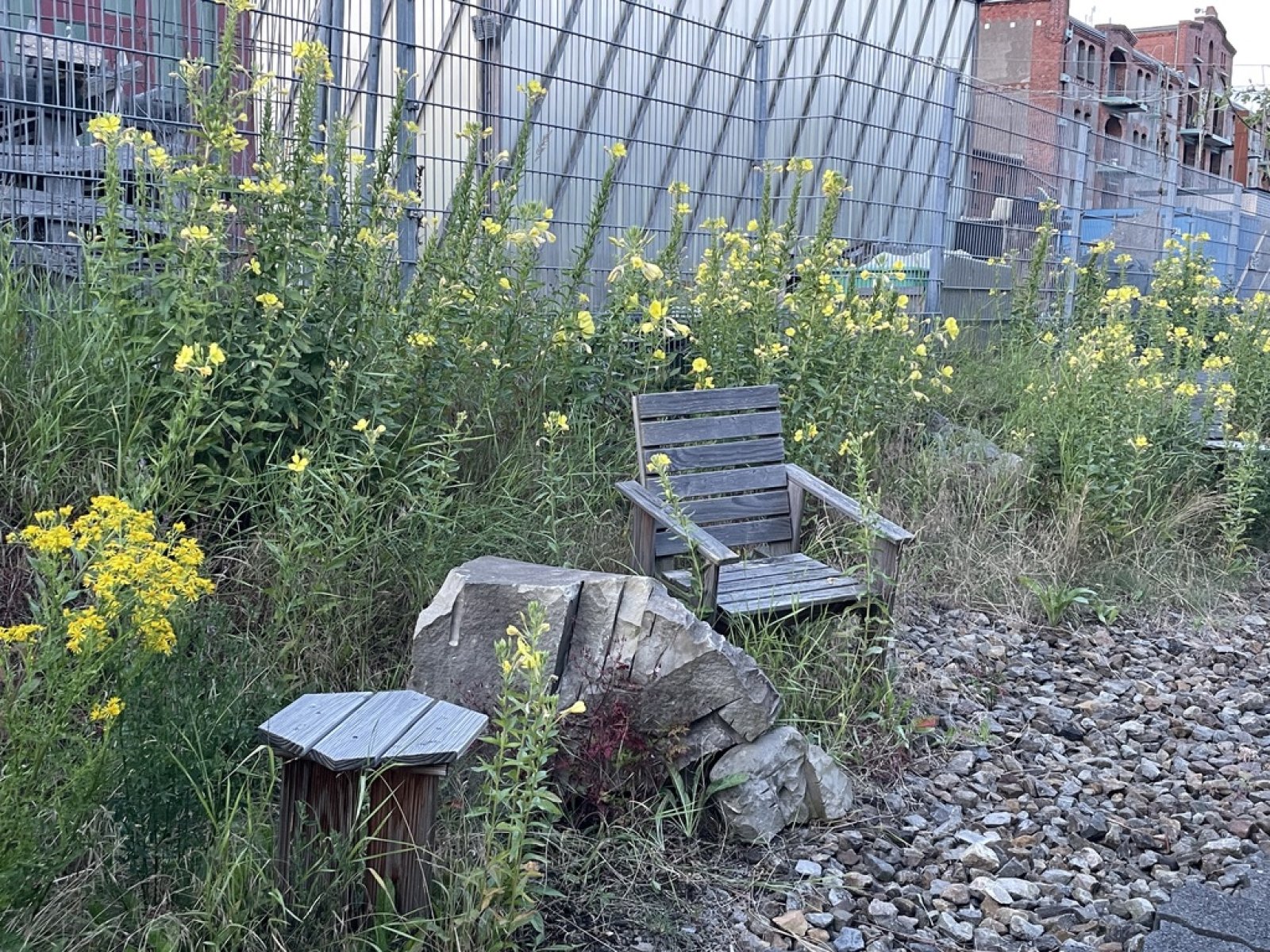
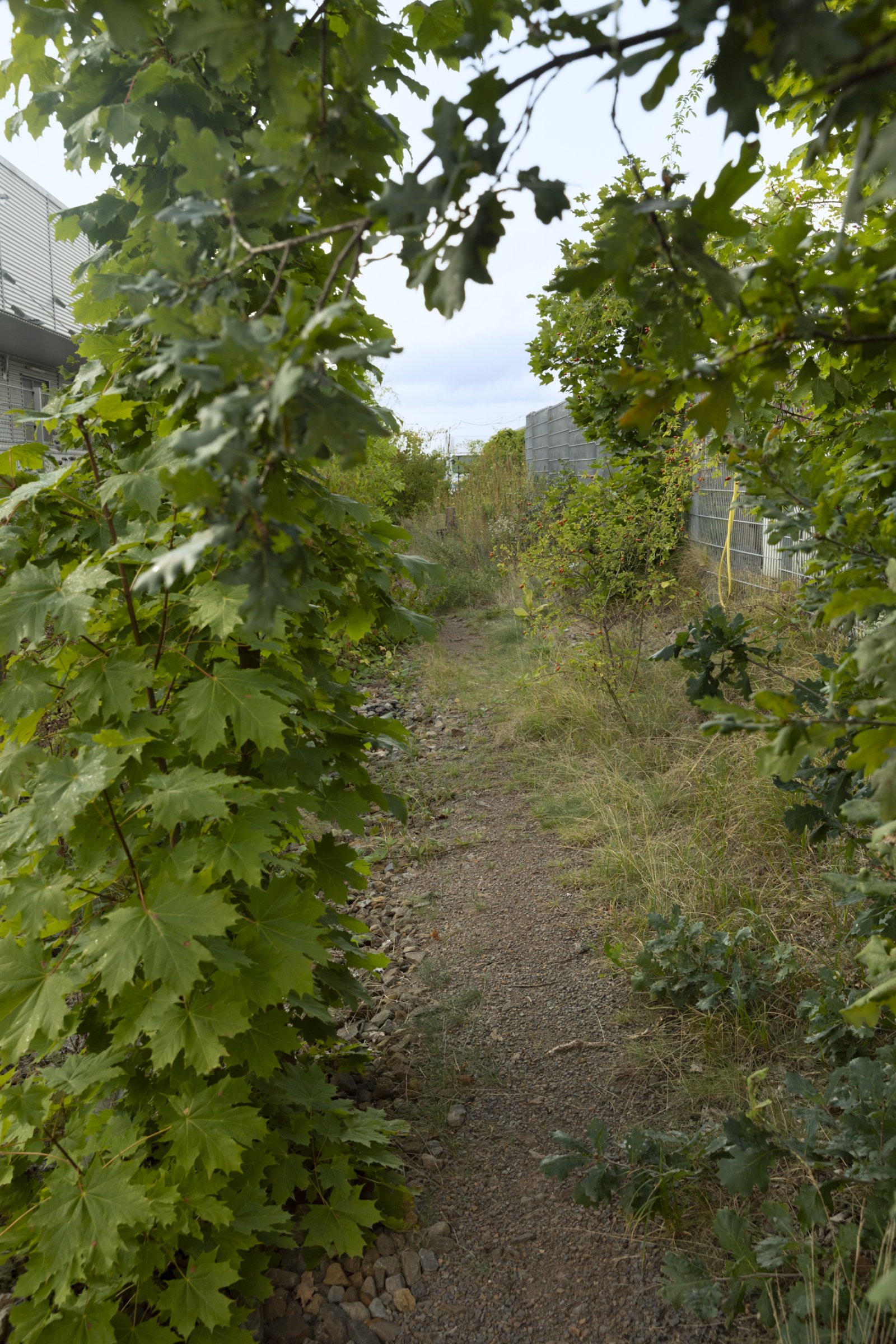
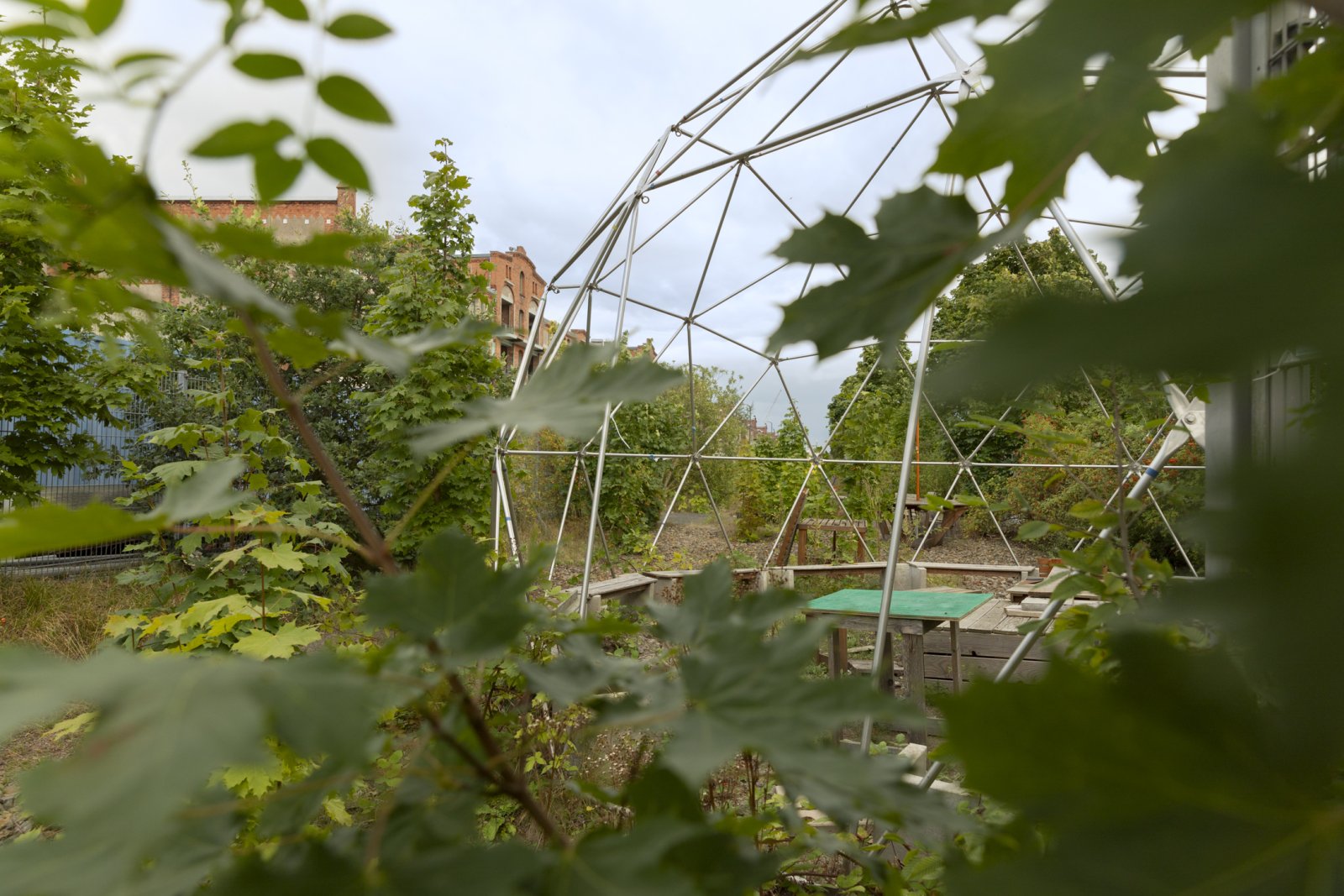
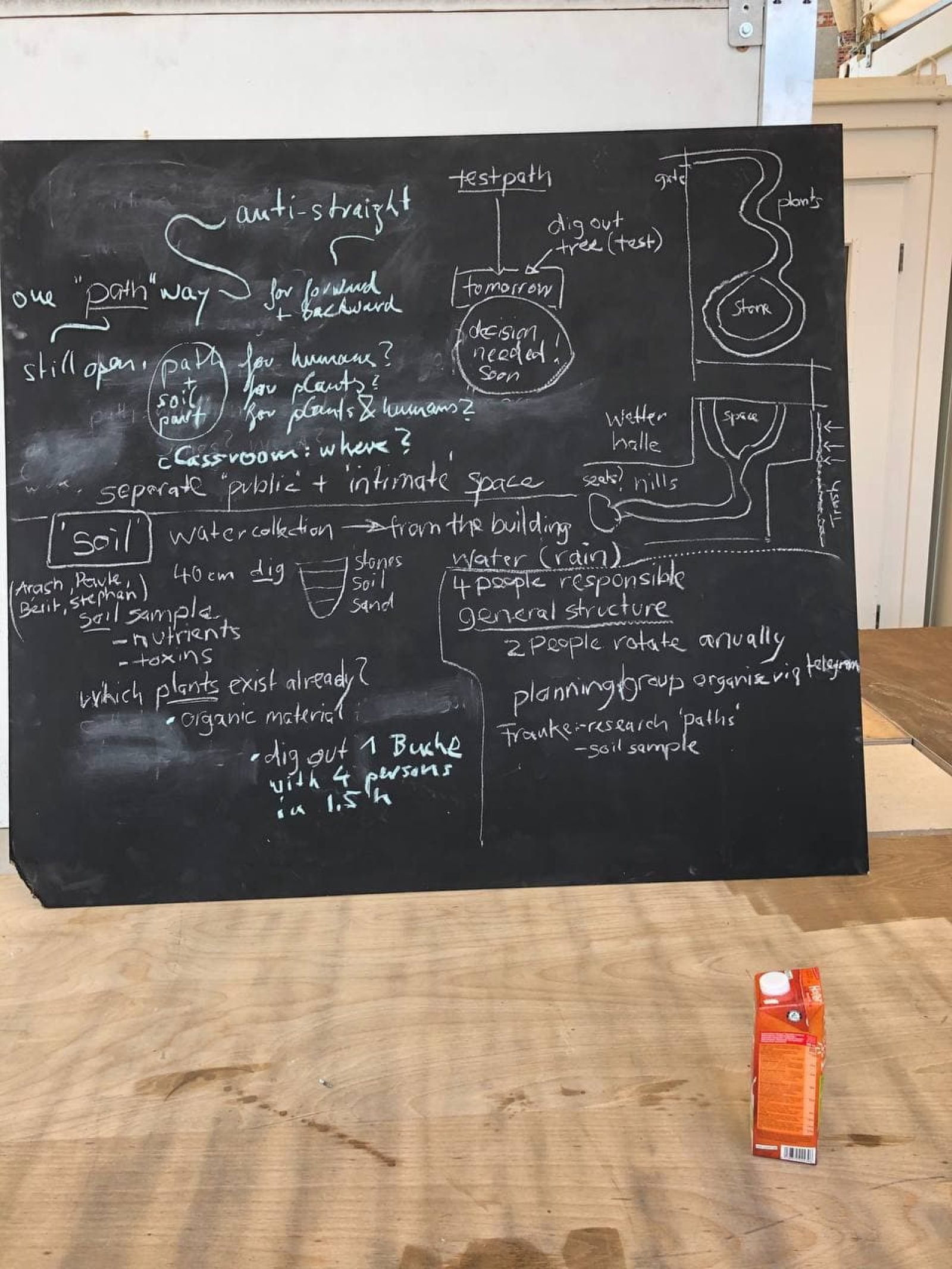
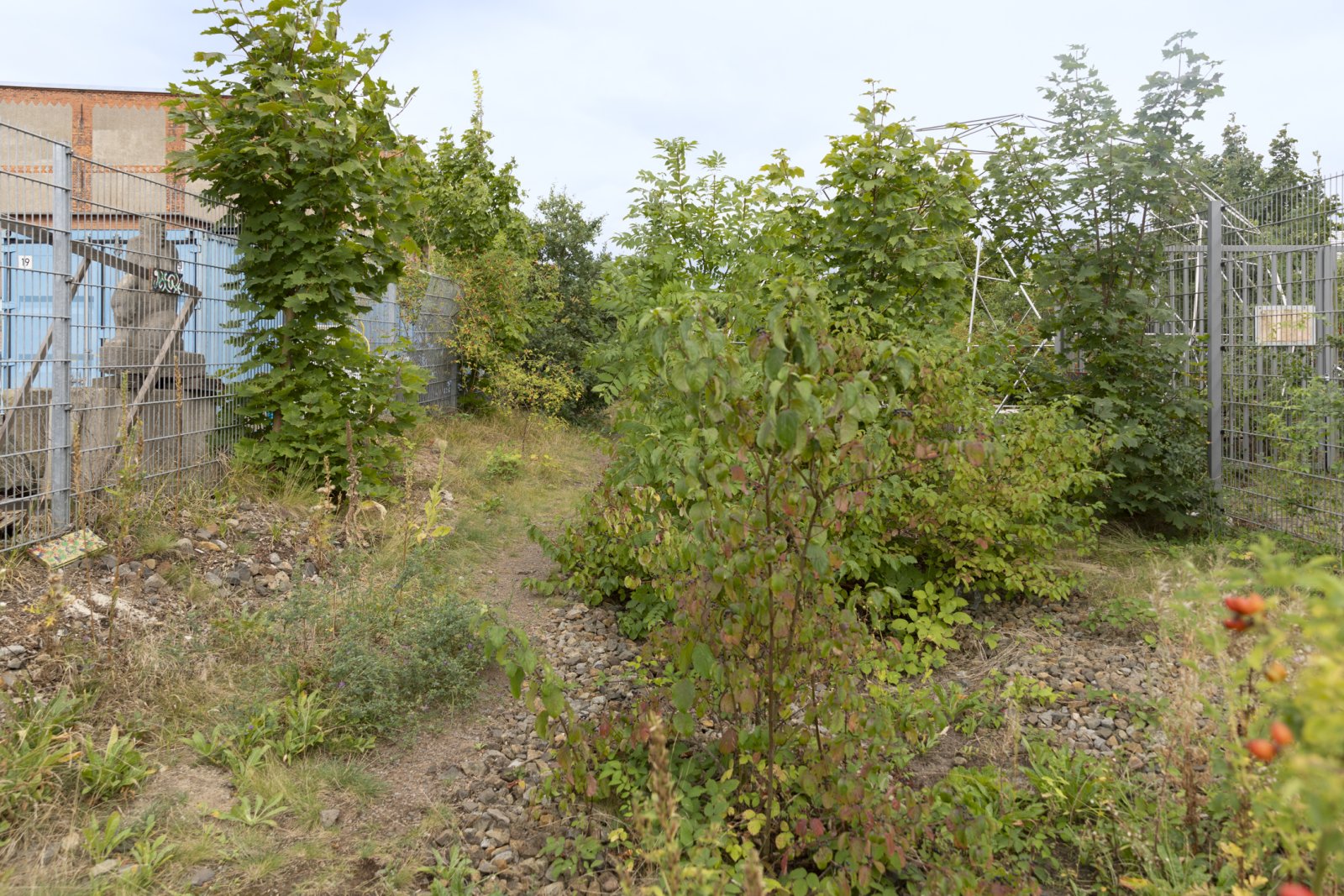
WARTEN/GARTEN, located in the former railway tracks in front of Speicher XI has been growing since 2021. As a garden for/with/in the University of the Arts Bremen, it is envisioned as  a space for listening, a platform for encounter,a habitat of rewilding, a studio for (artistic) experimentation.     

Double Width
On

Text WGARTEN was initiated during the COVID19 lockdown and emerged as a flourishing replacement for rather traditional university seminar rooms and quite immediately adopted the role of a facilitator 1 We could experience caregiving in a direct tangible w

Bubu Mosiashvili
Submitted by bubumosiashvili on Wed, 07/24/2024 - 12:06

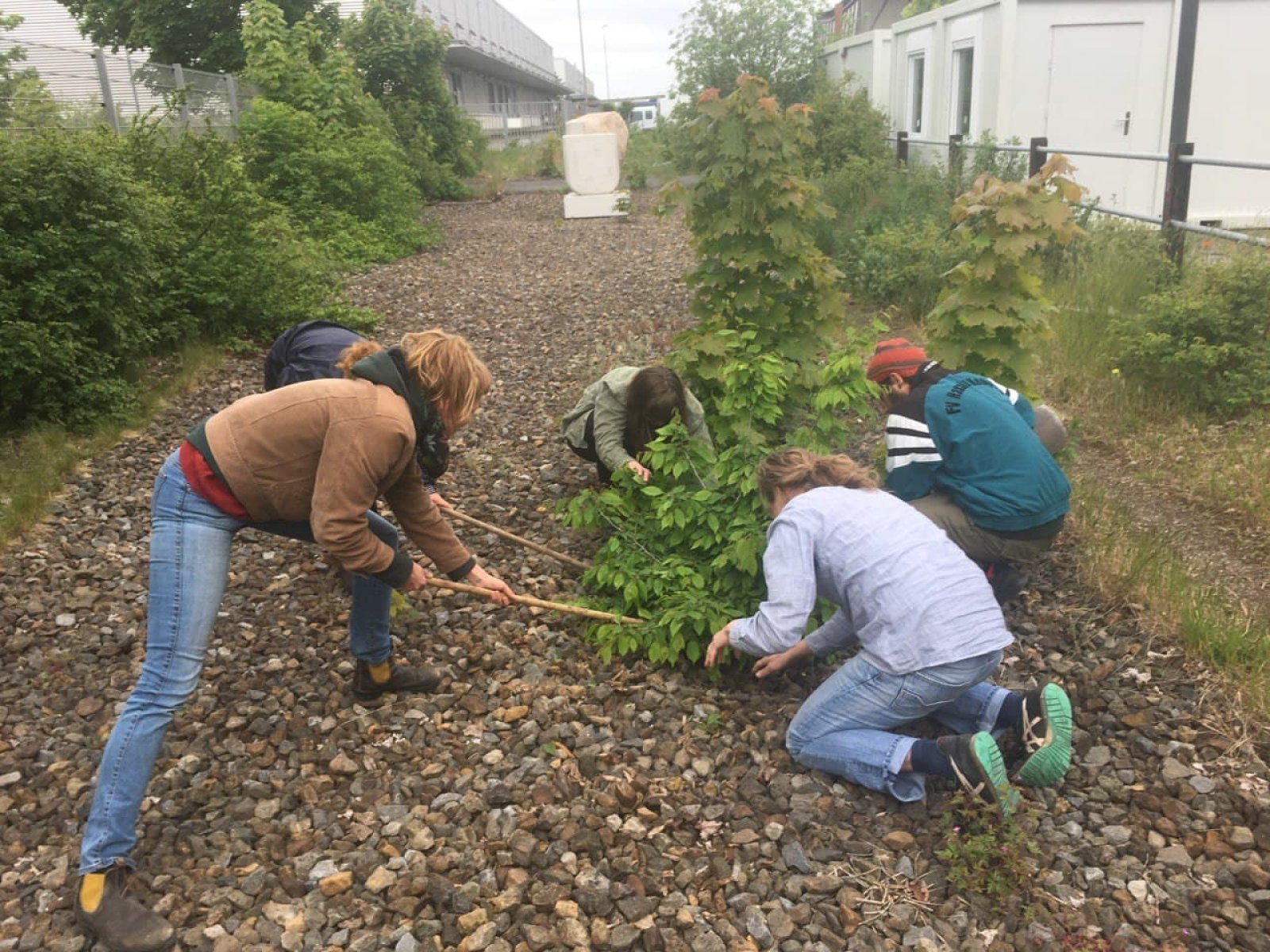
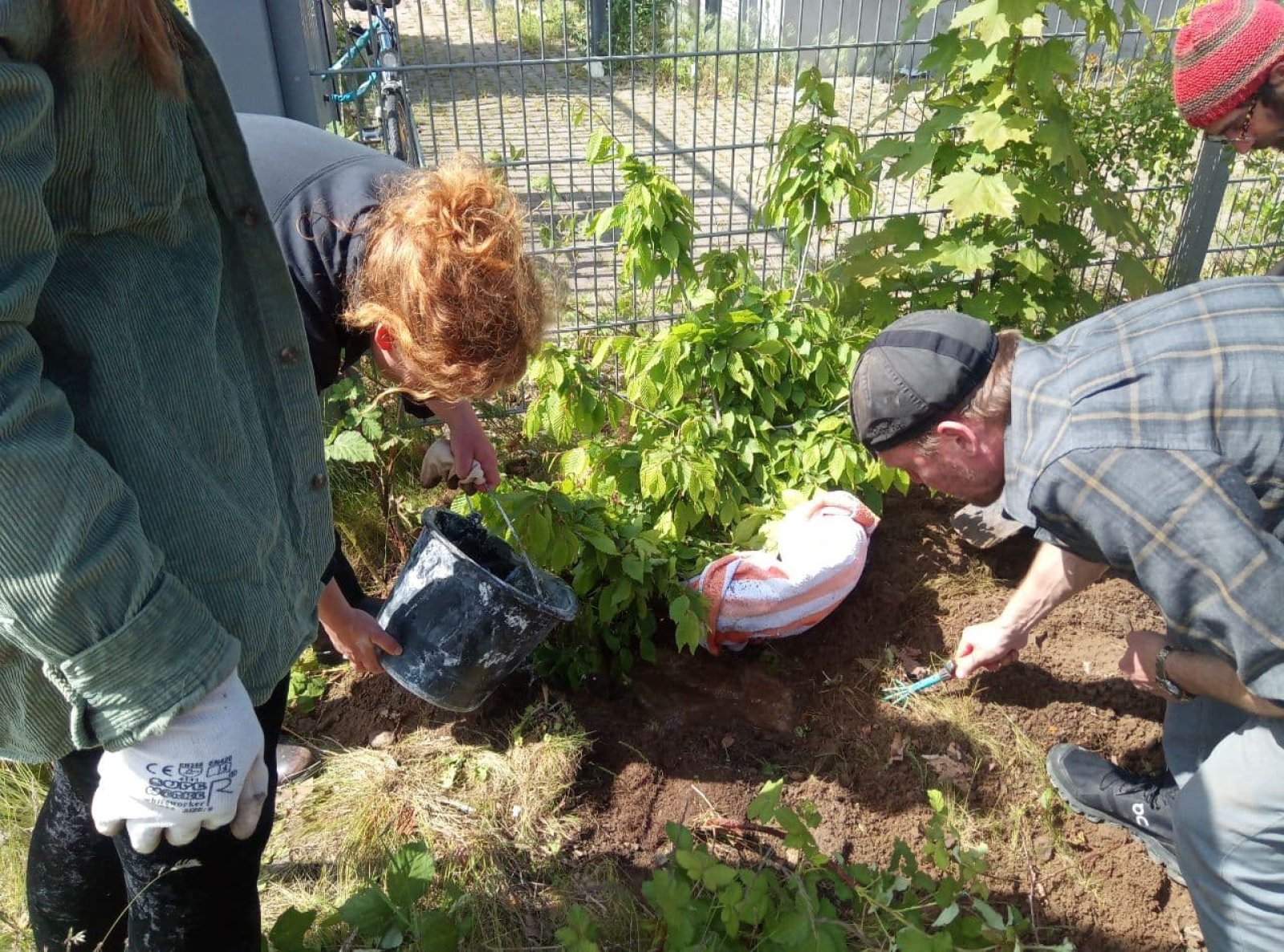
W/GARTEN was initiated during the COVID-19 lockdown and emerged as a flourishing replacement for rather traditional university seminar rooms and quite immediately adopted the role of a facilitator (1). We could experience caregiving in a direct, tangible way—tending to plants and nurturing their growth. The enforced stillness of the lockdowns fostered a greater appreciation for patience and the act of waiting, as reflected in nature's slow, deliberate rhythms. These experiences encouraged a sense of presence and mindfulness, providing profound insights that went beyond the academic curriculum.

Double Width
Off

Text With the formation of a garden we embed ourselves in an already existing choreography of organisms and built things In the former train tracks a multiplicity of entities stories lived memories exist side by side A garden is a site of intended exchang

Bubu Mosiashvili
Submitted by bubumosiashvili on Wed, 07/24/2024 - 12:14

With the formation of a garden we embed ourselves in an already existing choreography of organisms and built things. In the former train tracks a multiplicity of entities, stories, lived memories exist side by side. A garden is a site of intended exchange - a network of relations with what happens inside and outside of the site. At the same time, a garden can enable, very practically, to develop a different understanding of artistic and creative work, authorship and collective forms of working - forms of artistic practice in a changing life world.

Double Width
Off

Text WGARTEN raises questions such as What is a garden and why What alternative forms can gardens take Which art historical examples of gardens can we find and how have they been conceived in transcultural processes Together with WGARTEN we burrow into th

Bubu Mosiashvili
Submitted by bubumosiashvili on Wed, 07/24/2024 - 12:31

W/GARTEN raises questions such as: What is a garden and why? What alternative forms can gardens take? Which art historical examples of gardens can we find and how have they been conceived in transcultural processes? Together with W/GARTEN, we burrow into this investigation, examining historical, social and cultural layers woven into our garden’s soil, while reimagining relationships with non-human entities in our immediate environment and beyond. It also serves as a terrain of research, with its colonial past archived in the soil, reflecting its history as a former base for transporting and storing colonial goods through the Überseehafen Bremen.

Double Width
Off

Text Speicher XI where the Art and Design department of the University of Arts Bremen is located was built between 1908 and 1912 as a cotton warehouse The erection of such a building was necessary after the opening of the port Europahafen and then berseeh

Bubu Mosiashvili
Submitted by bubumosiashvili on Wed, 07/24/2024 - 12:31

Speicher XI, where the Art and Design department of the University of Arts Bremen is located, was built between 1908 and 1912 as a cotton warehouse. The erection of such a building was necessary after the opening of the port Europahafen and then Überseehafen in 1906. Both Überseehafen and Europahafen functioned as traditional general cargo ports, mostly receiving colonial goods from overseas. The colonial past of this location has been stored and archived in its soil. Adventive plants (2), which arrived inadvertently through colonial trade and transportation, now grow alongside native species in the garden. These plants were introduced through unintentional transport via ships, trains, and cars. They are commonly found in port areas, along roadsides, and near stations and railways, and in most cases, they enter a new environment in the form of a seed. Seeds, though seemingly lifeless, possess an enduring vitality, capable of remaining viable in the soil for decades, and sometimes even centuries. This latent potential allows them to spring to life under favorable conditions, symbolizing resilience and the promise of renewal. This remarkable ability underscores the garden's connection to both the past and future, as ancient seeds lying dormant in the soil can one day flourish, linking generations through a continuous cycle of growth and rebirth. The adventive plants, often considered invasive, have stories that reflect the complex history of migration and ecological change. 

Double Width
On

Text We imagine the garden to come as a space that creates relational and exchange networks between people earth plants water fungi insects worms the stories of the place the area and its changes the microclimate the colonial and migrational histories of

Bubu Mosiashvili
Submitted by bubumosiashvili on Wed, 07/24/2024 - 12:34

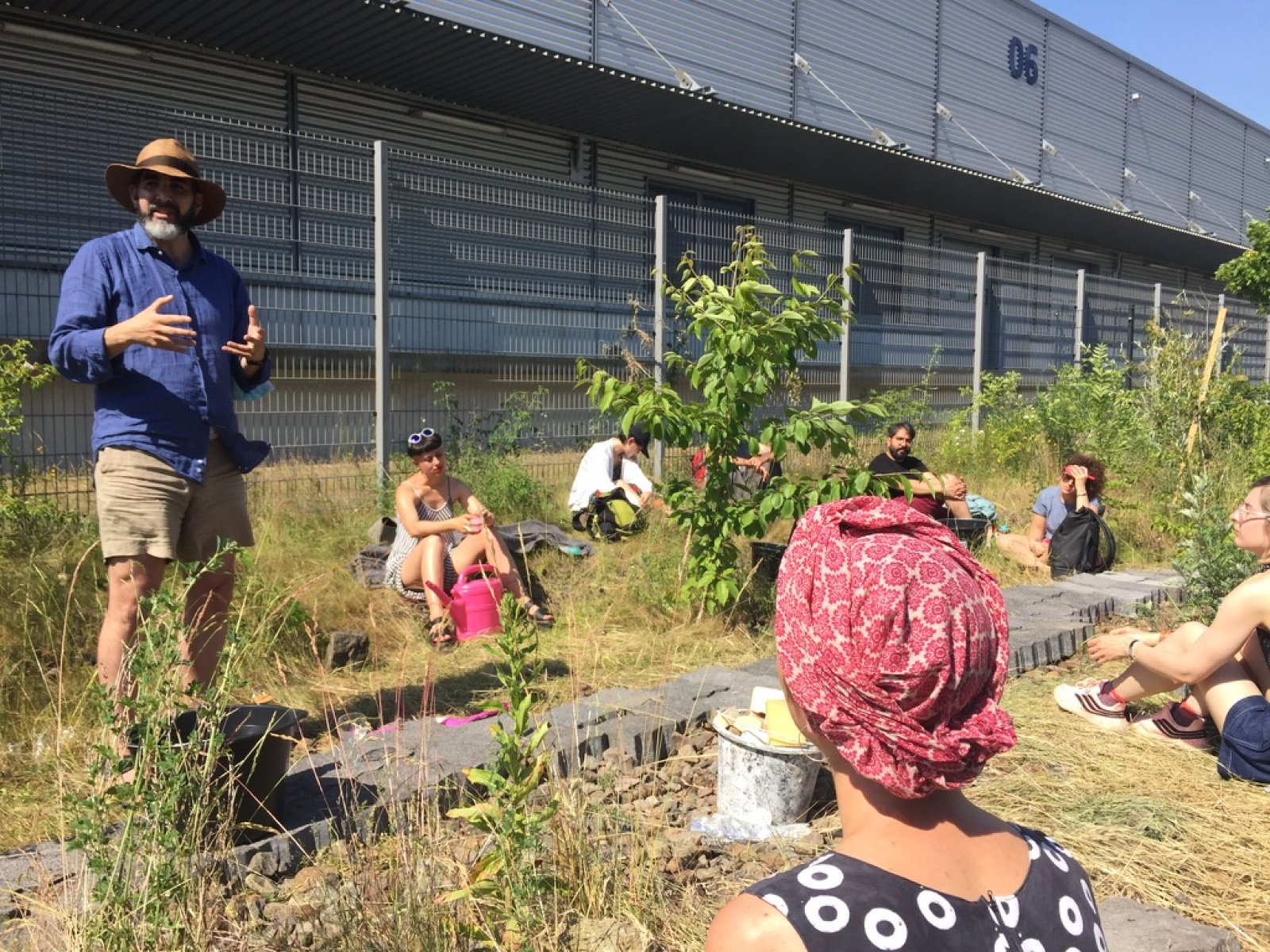
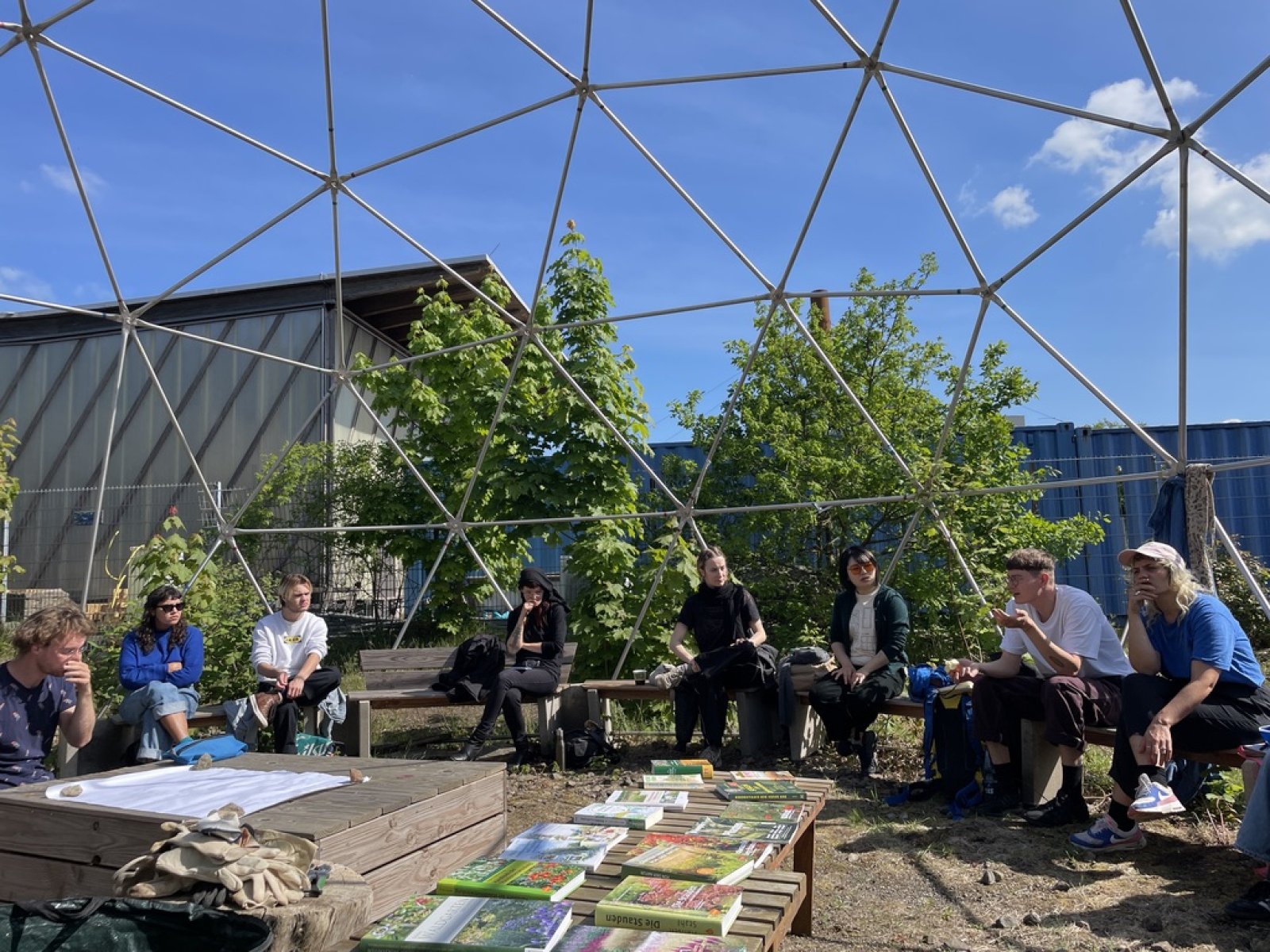
We imagine the garden to come as a space that creates relational and exchange networks between people, earth, plants, water, fungi, insects, worms, the stories of the place, the area and its changes, the microclimate, the colonial and migrational histories of Bremen, as well as our stomachs and their bacteria. This vision extends beyond mere physical elements; it encircles the cultivation of collective knowledge. Gardens serve as dynamic classrooms where diverse perspectives merge and concentrate, fostering conversations that transcend disciplinary boundaries. Since its inception, the garden has welcomed numerous visitors, becoming an essential component of many classes, workshops, and seminars, creating a tapestry of shared learning and discovery (3). 

Double Width
On

Text FootnotesThe project was initiated and brought into being by Paule Potulski Natascha Sadr Haghighian and Mona SchierenAdventive plant species are classified into two groups based on their arrival time in a given area archaeophytes and neophytes Archa

Bubu Mosiashvili
Submitted by bubumosiashvili on Wed, 07/24/2024 - 14:24

Footnotes:The project was initiated and brought into being by Paule Potulski, Natascha Sadr Haghighian and Mona Schieren.Adventive plant species are classified into two groups based on their arrival time in a given area: archaeophytes and neophytes. Archaeophytes are the older species that were introduced with human assistance before the beginning of the modern era. In contrast, neophytes are species that humans introduced to new habitats in more recent times. The year 1492 marks the boundary between these two categories.Since 2021 Workshops encountered W/Garten by cofounder of Prinzessinnengärten and Nachbarschaftgarten Berlin-Kreuzberg Marco Clausen (2021), artist Heath Bunting (2021), artist Nils Norman (2021), artist Anne-Laure Franchette together with maritime arthistorian Gabriel Gee (2022), artist Shelley Etkin (2022), microbiological cultural anthropologist César Giraldo Herrera (2022/23), soundartist Astrid Gonzalez (2023) and gardener Josh Immendorf (2023/24).

Double Width
Off